Tencent releases Hy-Nomas for changing scenes during video generation
3-line summary
- New instructions and camera paths guide successive segments.
- A low-memory configuration targets one RTX 4090.
- The 280 benchmark cases do not include scores.

Tencent has published Hy-Nomas weights for video generation that accepts new instructions and camera movements as a sequence continues. The official Hugging Face repository records its initial commit on October 23 and lists about 196GB of files, separated into generation, prompt-processing and video-decoding components.
Base and distilled FP32 generation checkpoints are each roughly 34.2GB, while the INT8 generation checkpoint is about 9.06GB. These are individual file sizes, separate from the GPU memory required to run the model. The 196GB listing combines multiple variants and supporting components.
For each successive segment, Hy-Nomas can take text describing subjects, actions, scenes or styles, alongside camera trajectories. Cached information from earlier segments supplies context for continued generation.
The shared inference preset specifies 720-by-1280 output, a playback rate of 24 frames per second and eight denoising steps. It uses Qwen2.5-VL-7B-Instruct for text encoding and PixelUMM to decode compressed video representations. The default launch uses eight-way sequence parallelism, with eight GPUs in one documented inference group. The shared configuration leaves the history and segment caps unset, retaining earlier context as generation continues. These configuration values do not measure generation throughput or response latency; playback speed describes the resulting video.
A separate low-memory preset provides a configuration for one NVIDIA GeForce RTX 4090. It uses INT8 generation weights and cache, an FP8 decoder, and CPU offloading for the text encoder, generator and decoder. Its default GPU history budget is 18 latent frames, referring to historical context rather than the current segment’s video duration.
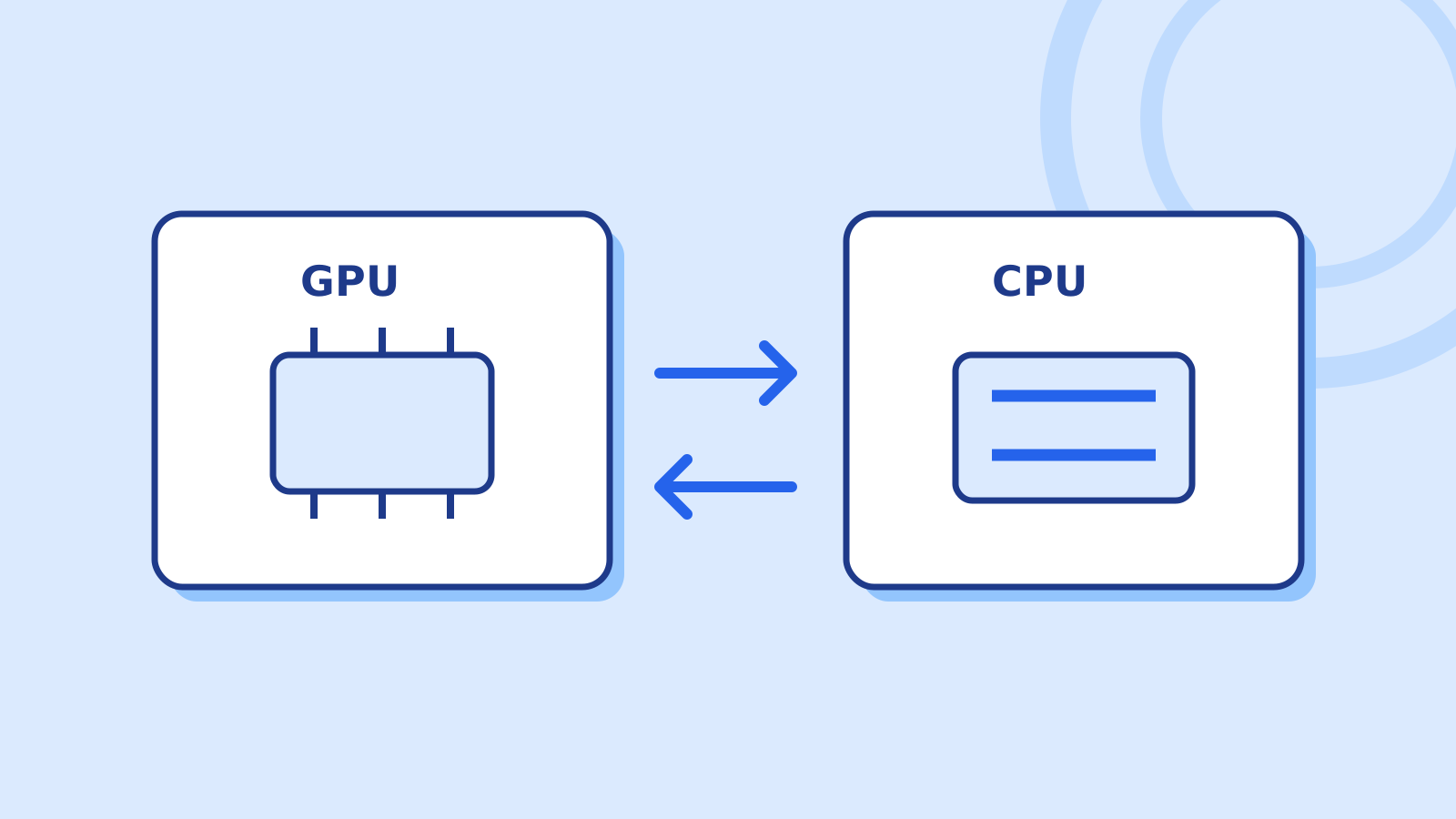
In the online demo, Nomas-PE turns user instructions into generation prompts. It is a separate required service from the Qwen text encoder, with its own serving resources. The one-GPU configuration covers video inference. Offline inference can read prepared prompt files directly.
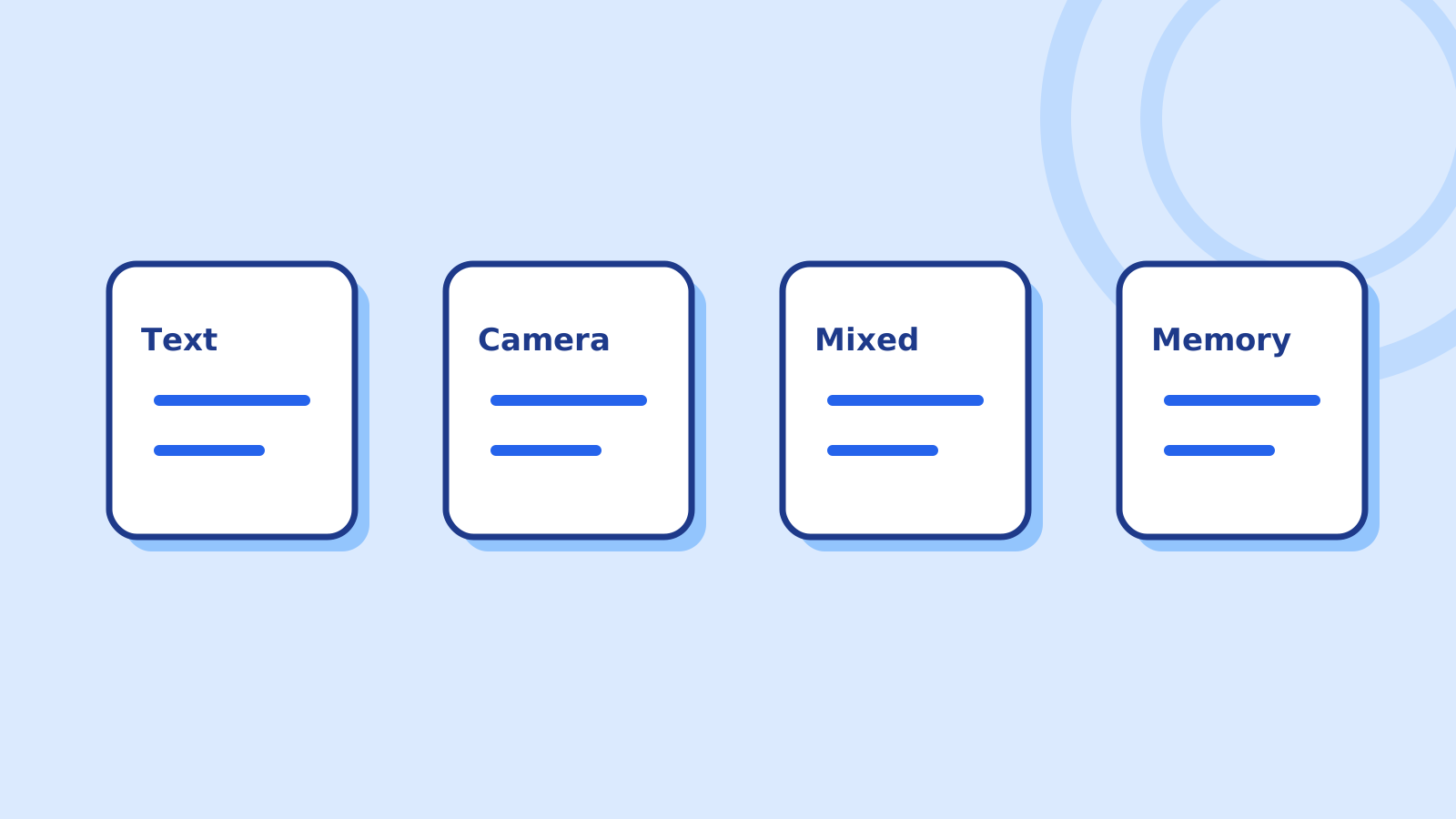
The accompanying Hy-Nomas-Bench contains 280 evaluation cases across text control, camera navigation, interleaved control and spatial memory. Text cases examine successive instructions and subject consistency. Memory cases use outbound-and-return paths to compare revisited scenes.
The benchmark repository includes instructions, interaction sequences and 220 reference camera trajectories. Generated videos, extracted revisit frames and evaluation scores are absent. Its published inference procedure produces videos; scoring is a separate step.
Tencent’s released code, parameters and weights carry Apache 2.0. Third-party components retain their original terms. Redistribution requires preserving the license and relevant notices, with changed files marked as modified. The trademark clause also states that the license does not grant rights to use company or product names.
Sources
- Hy-Nomas — model card — Tencent / Hugging Face
- Hy-Nomas — files and weights — Tencent / Hugging Face
- Hy-Nomas — commit history — Tencent / Hugging Face
- Hy-Nomas shared inference configuration — Tencent
- Hy-Nomas single-GPU low-memory configuration — Tencent
- Hy-Nomas-Bench — dataset card — Tencent / Hugging Face
- Hy-Nomas license and third-party notices — Tencent
- Hy-Nomas — code and interactive demo documentation — Tencent
- Hy-Nomas DiT files — sizes and variants — Tencent / Hugging Face