Beyond finding bugs: Theorem offers free proofs for open source
3-line summary
- Theorem offers free AI-driven formal verification to qualifying open-source projects.
- Its October 22 initial proof release covers 60 fuzz targets across 25 projects.
- Proofs apply to specific binaries and conditions; enrollment requires a core maintainer.
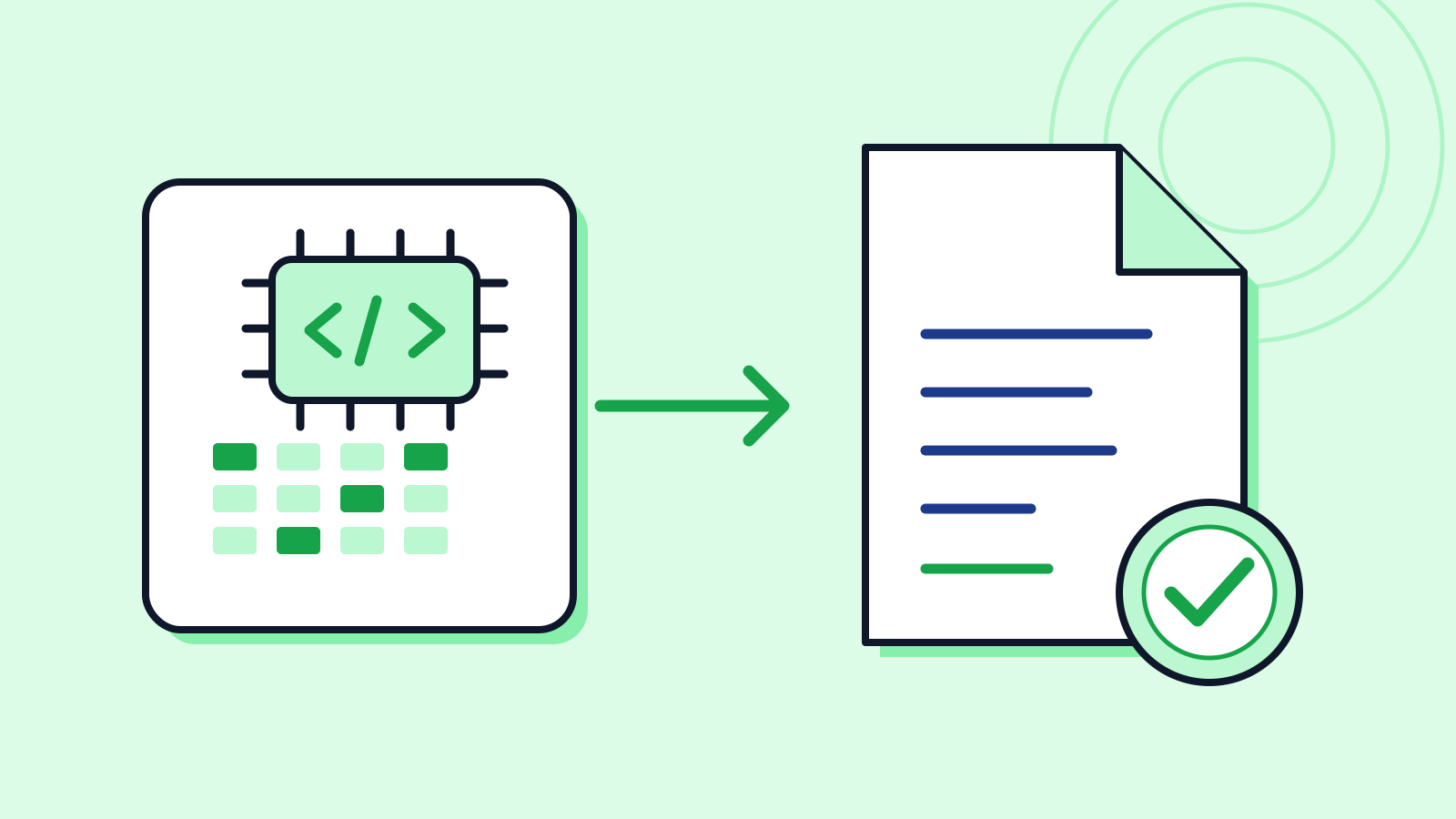
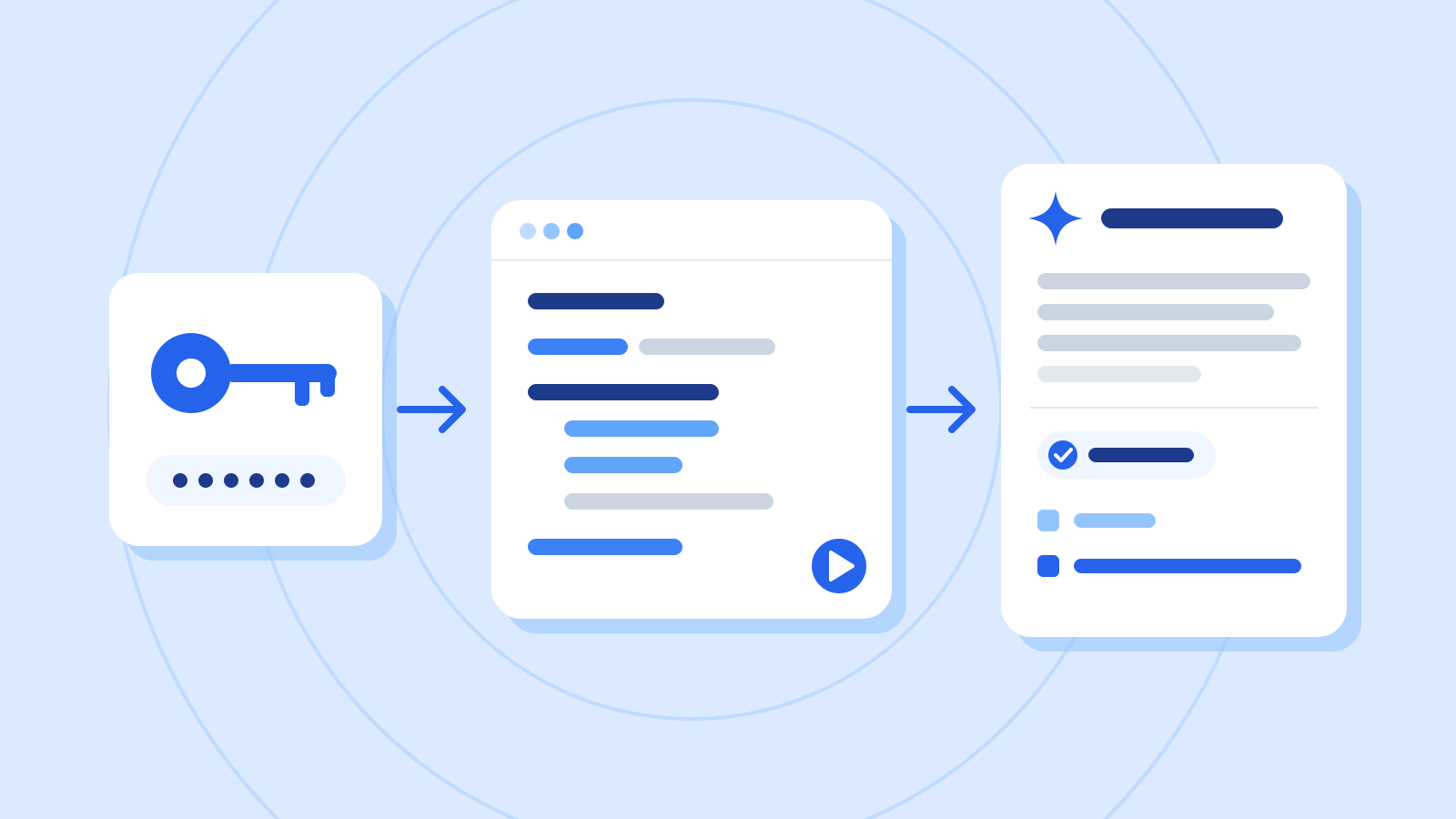
Theorem offers OSS Verify as a free program for qualifying open-source projects. Beyond searching for errors with generated test inputs, it builds mathematical proofs under stated conditions. The proof repository dates its first release to October 22 and lists proofs for 60 fuzz targets in 25 projects.
The target is a particular compiled test binary, rather than source code in general. AI-produced proofs are checked with Rocq. The detailed scope document limits input files to less than 64 MiB and imposes memory-budget conditions. A fuzz target is a function that exercises code using arbitrary input.
The scope matters. Official documentation excludes builds using other compilers, settings or architectures, inputs exceeding memory budgets, and behavior outside the process model. The model is single-threaded, and some checks, including memory-leak detection, are absent. This is not a certificate that an entire project has no bugs.
A core maintainer enrolls through a pull request to the official repository. Conditions include a public repository, an approved open-source license, fuzz targets, a buildable setup and a security contact. Theorem delivers findings privately and warns that AI-generated reports and patches may be wrong or incomplete. This article does not report an independent proof check or enrollment.
Why it matters
AI Ping sees value in checking AI output with a separate proof checker. Adoption decisions should examine covered builds, inputs and error classes alongside proof counts.
Who it's for
- Developers
- Check your project’s fuzz targets and build requirements first, and review any proposed patch yourself.
Sources
- OSS Verify — Free formal verification for open source — Theorem
- OSS Verify — enrollment and build instructions — Theorem Labs
- What gets proven — exact binaries, input limits and exclusions — Theorem Labs
- OSS Verify proofs — 2026.10.0 release changelog — Theorem Labs