Claude beta lets companies keep conversation records in their own cloud
Edited and reviewed by AI Ping Editorial Team
Key points
- Anthropic opened its Enterprise Frontier Safeguards beta to eligible organizations on November 23.
- Claude Platform separates sealed records for automated checks from transcripts that authorized customer staff can read.
- When a safety case is sent, the customer investigates and has seven calendar days to respond.

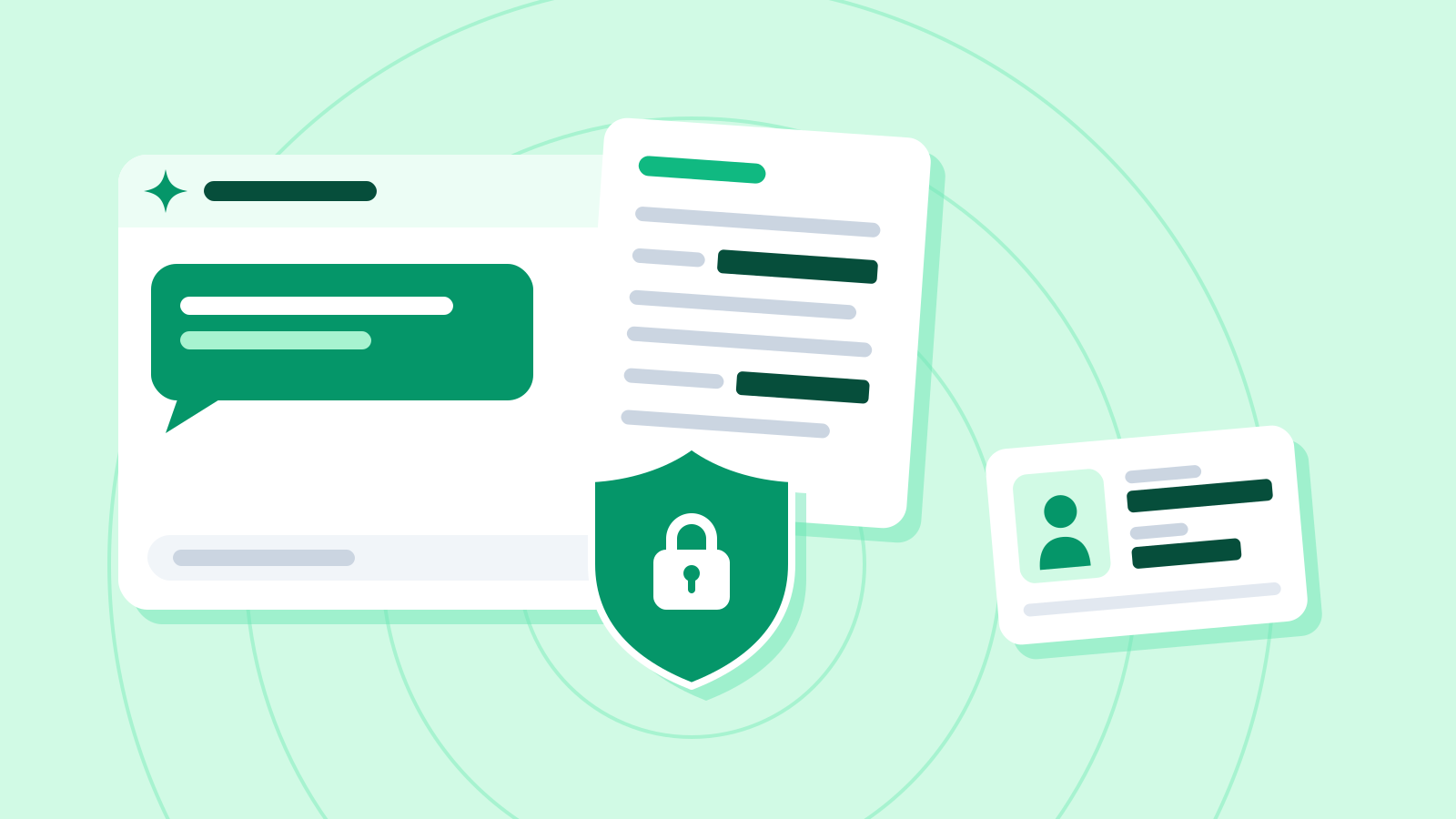
On November 23, Anthropic opened a public beta that lets eligible companies keep Claude conversation records in their own cloud. Under Enterprise Frontier Safeguards (EFS), questions sent by a company’s applications and the answers Claude returns go to company-controlled storage. Once the records arrive, Anthropic and the cloud operator delete their own copies.
Zero data retention applies to the service operator. The company retains safety records in its cloud account, where automated checks can analyze them. Anthropic staff do not read the conversations. On Claude Platform, the setting covers every Messages API request in a designated workspace, even a call to a model that would otherwise have no retention requirement.
The change follows a June 9 policy that introduced a default 30-day retention period for inputs and outputs from certain advanced Claude models. Anthropic specified exceptions for material flagged by its safety systems or subject to a legal retention requirement. Its consumer plans, including Free, Pro and Max, already handled conversations under their own policy.
Who can read each record
When Anthropic outlined the design on September 1, it described a contractual obstacle raised by participating companies. Adding another party to handle sensitive information could mean notifying customers and changing contracts. Companies wanted to keep using the cloud infrastructure where they already controlled access to sensitive records and maintained an audit trail.
Claude Platform seals prompts, replies and model reasoning in an encrypted file for automated checks. Even the company that owns the storage cannot read that file. The retention period for sealed data is up to 28 days after a request. Older versions of stored objects can remain longer. Authorized customer staff read prompts and replies in separate transcripts.
A safety case gives its status and references the relevant transcripts. Google Cloud also delivers cases when its automated checks identify a risk. The notice contains no prompts or replies. Companies can feed cases from their Cloud Storage bucket into an existing security monitoring system alongside other internal alerts.

The customer investigates and responds
Several messages can belong to one case. When the customer receives case files in its own storage, a single file points to each available message transcript. Transcripts omit the model’s internal thinking, and an image or document can appear as a placeholder in the file. An employee triaging alerts can be given access to notices alone.
The company checks the case against its own records and has seven calendar days from the notice to report whether it found a violation. If it did, its response confirms that the team investigated the cause and took corrective action. Employee names, evidence and transcripts can stay with the company.

Cloud storage is billed separately
An application may also use features that need to preserve information between requests. Files uploaded through the Files API remain until deleted or until their configured expiration. Session transcripts for Anthropic-hosted Managed Agents persist until the customer deletes them. A single application can therefore have separate retention rules for its messages and the documents it uploads.
On Amazon Bedrock, AWS operates the automated checks and writes the records to an S3 bucket in the customer’s account. AWS says neither its staff nor Anthropic’s read the retained inputs or outputs. Approval and enrollment are separate steps. An administrator accepts the terms for the approved AWS account, the organization or an individual Bedrock project.
Google Cloud enrolls approved organizations by project. Customers choosing the preview’s customer-managed storage option keep the records in Cloud Storage. Google bills for reads, writes and key operations, along with any applicable network transfer. Anthropic charges no separate fee for EFS and leaves API prices and rate limits unchanged.
Eligible companies will receive onboarding instructions. Stripe and Salesforce evaluated the private beta, according to Anthropic. Microsoft Foundry support is planned.
Sources
- Zero data retention with Enterprise Frontier Safeguards is now in beta — Anthropic
- Developing Enterprise Frontier Safeguards with our customers — Anthropic
- Data retention practices for Covered Models — Anthropic Privacy Center
- Enterprise Frontier Safeguards — Claude Platform Docs
- Customer-owned storage — Claude Platform Docs
- Review Safety Cases — Claude Platform Docs
- Safety Case files — Claude Platform Docs
- Introducing the Amazon Bedrock Trusted Access API with Anthropic’s Enterprise Frontier Safeguards and Enterprise Data Controls — Amazon Web Services
- Enterprise Frontier Safeguards for Claude — Google Cloud
- API and data retention — Claude Platform Docs