49% of US holiday shoppers plan to use AI. Few let it place the order.
Edited and reviewed by AI Ping Editorial Team
Key points
- The NRF found that just 6% of people who use AI for holiday shopping let it make the purchase.
- Retail traffic reports can count a sale referred by AI even when the shopper completes checkout personally.
- Google Pay’s checkout agent stops an order if the price rises above the total the shopper confirmed.

Nearly half of US holiday shoppers plan to use artificial intelligence this season, the National Retail Federation reported on November 23. When the trade group asked people who use AI for holiday shopping whether they use it to make the purchase itself, just 6% said they do.
Planned use ranged from 68% of Gen Z shoppers to 23% of baby boomers. The federation had reported a higher figure, 59%, on November 19 for people planning to shop over Thanksgiving weekend, which includes Black Friday. Both releases draw on the same survey of 7,956 US adults conducted by Prosper Insights & Analytics between October 30 and November 9.
What shoppers hand over first
Product recommendations and gift ideas led the list of uses among Thanksgiving weekend shoppers using AI, at 32% and 31%. A quarter cited managing gift lists and recipients. The same share cited tracking a budget or scanning retailers for the best price. These tasks can overlap for someone buying a single present.
Visa and Morning Consult polled 1,016 US adults from September 26 to October 2. Asked which tasks they felt comfortable delegating, 61% picked price comparison and 59% checking stock. Finding discounts drew 57% and gift suggestions 54%.

Following a referral through checkout
A shopper who follows an AI recommendation to a store and buys the gift personally still counts in retail traffic data. Adobe Analytics tracks clicks from AI tools to US retail sites. In September those visits rose 71% from a year earlier. Their conversion rate, the share of visits that ended in a purchase, was 90% higher than for visits from other sources such as email and paid search.
That distinction matters for Cyber Week forecasts. Salesforce projects that AI and agents will influence $75.8 billion in worldwide online sales from November 24 through 30. Its Shopping Index tracks shopping activity across online stores. A recommendation can influence an order even if the customer enters their own payment details. The forecast measures sales touched by AI and does not break out the value of orders that a tool will place on a customer's behalf.
Permission to buy is a separate question. In an online Deloitte survey of 4,000 US consumers between August 26 and September 10, 39% called generative AI their main tool for at least one holiday shopping task. An occasional request for a suggestion would not by itself make AI someone’s primary tool. Some 16% of all respondents would allow it to complete a purchase. That measures willingness across the sample. The NRF's checkout figure records what holiday AI users say they actually do.

Among NRF respondents less than fully comfortable delegating a transaction, 24% wanted a verification notice before the purchase. In Google Search’s AI Mode, for instance, signed-in US adults using English can select a size or color on a participating merchant’s listing. An eligible selection brings up a buy button. The shopper then confirms payment details and a shipping address before the order goes in.
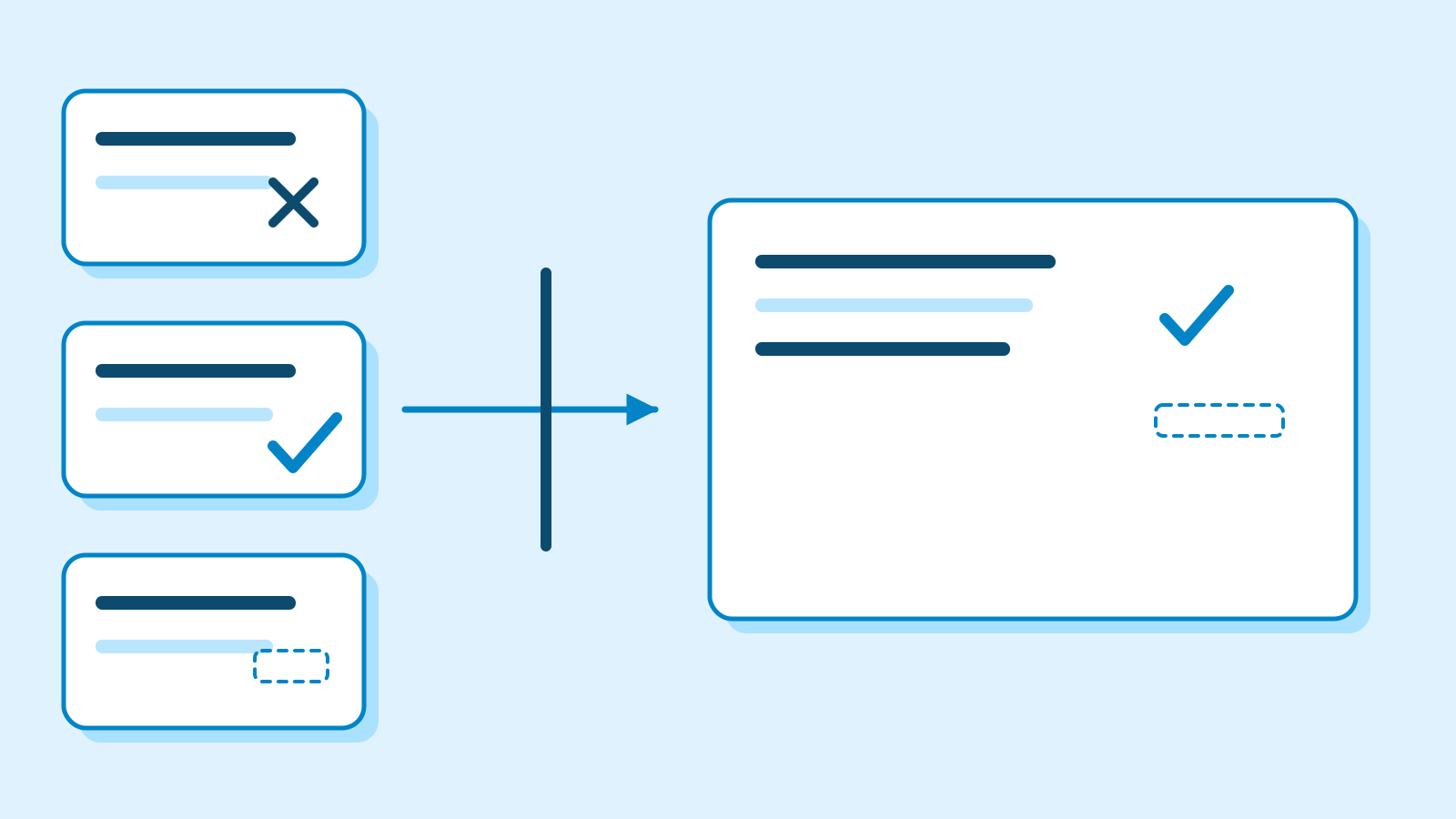
Google Pay's checkout service at participating US merchants shows how a price approval works. Once the shopper has a valid payment method and address in Google Wallet and confirms the total, Google can place the order and send updates by email and device notification. A price increase stops the purchase without a charge. Stock running out or a declined card can also stop an order.
An order made inside Google Search appears on the card statement under the merchant’s name. The merchant also sends the confirmation email and handles shipping and returns. Removing the entry from Google order history leaves the purchase in effect.
Sources
- Half of holiday shoppers plan to use AI this season — National Retail Federation
- 183 Million Consumers Expected to Shop During Thanksgiving Weekend — National Retail Federation / Prosper Insights & Analytics
- Secret SantAI? Visa Survey Finds Americans Quietly Turning to AI for Holiday Shopping Help — Visa / Morning Consult
- 2026 Deloitte Holiday Retail Survey — Deloitte
- Adobe report: AI traffic now generates 83% higher revenue per visit for U.S. retailers heading into the holiday shopping season. — Adobe Analytics
- About Agentic checkout with Google Pay — Google Pay Help
- Salesforce Data: Record Cyber Week Expected to Deliver $75.8B in AI-Driven Sales — Salesforce
- Make purchases and manage orders directly from AI Mode in Google Search — Google Search Help