Meta brings Muse to the UK with approval required for every purchase
Edited and reviewed by AI Ping Editorial Team
Key points
- Muse is available in the UK on iOS, Android, the web and WhatsApp.
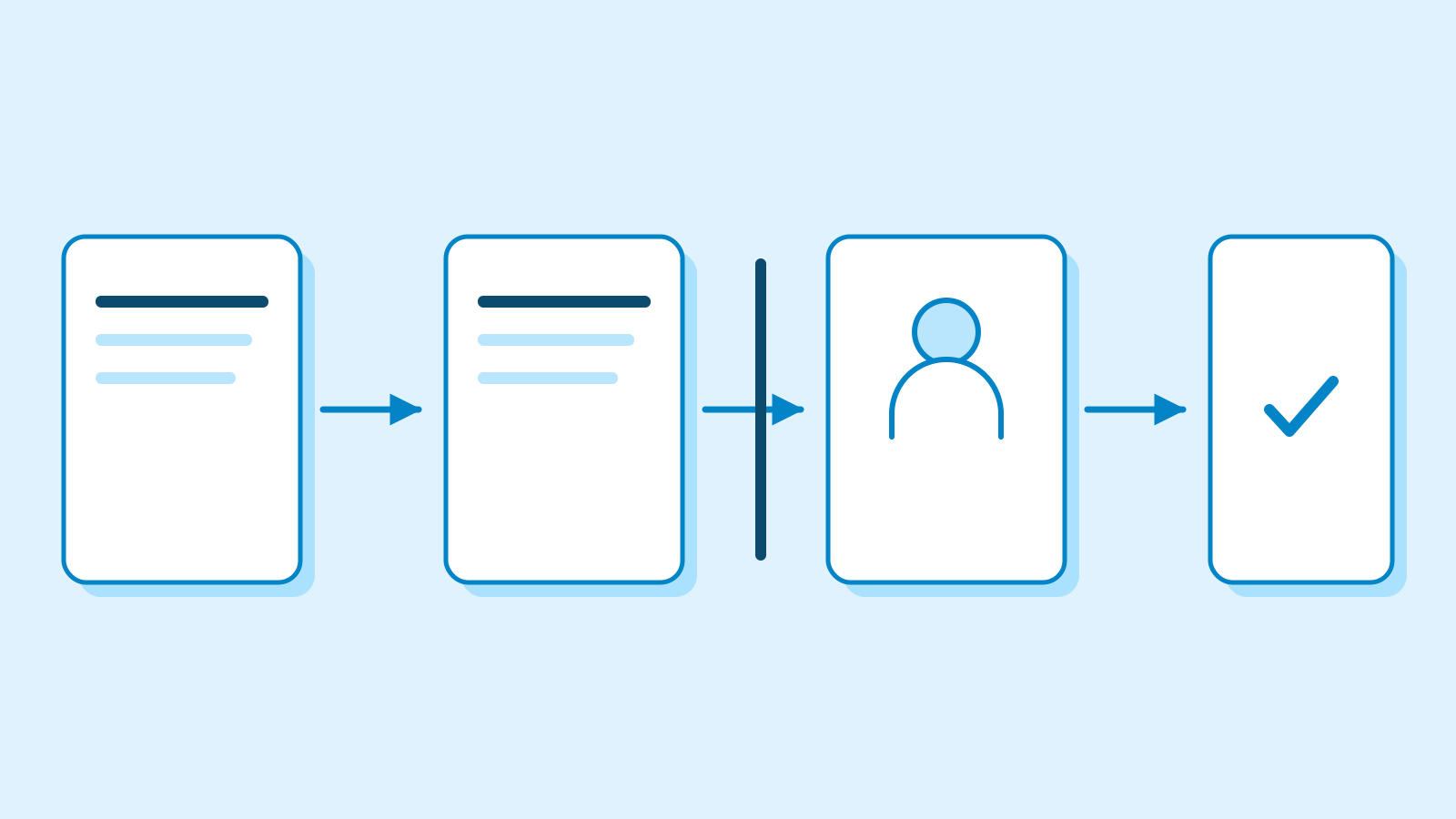
- Shoppers review the proposed transaction in an approval prompt separate from the chat.
- The UK privacy regulator has secured a voluntary monitoring and reporting commitment from Meta.

Meta launched its personal AI assistant, Muse, for people aged 18 and over in the UK on November 24. Muse can compare products on its own. It needs the shopper’s approval for every purchase.
Meta says the work can continue after the app closes. Someone planning a trip, for example, can leave the search running and get an update when something changes or the assistant needs a decision. Basic access is free, with optional subscriptions for higher usage.
JD Sports, one of the UK launch partners, said in a stock exchange announcement that customers would be able to find, compare and buy its products inside Muse. A shopper looking for trainers could narrow down the options and proceed to an order in the same place. JD described the integration as an early deployment.
The arrangement varies by partner. At some businesses people can link an account to repeat their usual grocery order or retrieve a booking. At others, Muse navigates the retailer’s website. At stores that support Shopify’s Shop Pay, shoppers can use the shipping and payment details they previously saved with that service.
At checkout, the approval request opens separately from the ordinary conversation. The prompt describes the proposed transaction. According to Meta’s account of the design, the pending action stops there, and the response goes directly to the system that decides whether the purchase can proceed.

Reading an inbox and sending a message
A person can grant access to read an inbox while withholding permission to send messages. Muse can flag an important email as it arrives. A connected calendar can also notify the assistant when an appointment changes. For tasks other than purchases, users may allow a particular action for a period of time and decide how often Muse should check back.
Facebook, Instagram and Threads connect automatically for people who sign up with a Meta account that has those services in the same Accounts Centre. Disconnecting a service in settings stops further exchanges. Information the assistant already used for a task can remain in its memory or the conversation history.

Meta gives each user a dedicated workspace in the cloud and holds credentials separately from the model. A separate system checks proposed actions against the user’s permissions. Deleting a chat message can leave a remembered preference behind. People can ask what Muse remembers and edit that record directly. A full reset clears the conversations, files and active tasks, including scheduled reminders.
Meta says it keeps conversations and data from the Muse workspace out of its advertising systems, including when other Meta accounts are linked. A separate setting allows interactions to be used to improve its AI models and is switched on initially. Turning it off in data controls excludes earlier interactions from future model development as well. For interactions eligible for training, Meta says it removes details such as names and email addresses and separates the material from the account.
What the UK regulators will examine
The Competition and Markets Authority said Meta changed its terms after weeks of discussions about consumers’ statutory rights. The watchdog wants people to know who is responsible if something goes wrong and expects the assistant to behave as advertised. It will examine how Muse is presented to UK consumers and how it works in practice.
The Information Commissioner’s Office raised a separate question about people whose data Muse might handle even if they never sign up. Meta gives the example of a calendar invitation that contains another person’s name. The ICO told Meta before launch that people should be able to understand and control that use. Meta agreed to voluntary monitoring and reporting so the ICO can examine the technology, the user experience and feedback as the service develops.
Sources
- Introducing Muse in the UK: A Personal AI Agent You Control — Meta
- JD partners with Meta as it launches AI agent, Muse, in UK (RNS 4226E) — JD Sports Fashion plc
- Muse Does the Work, You Stay in Control — Meta
- Shop Pay accelerated checkout — Shopify Help Center
- How We Built Safety Into Muse — Meta
- How Muse works with Connectors — Meta Help Centre
- How to manage your Muse data — Meta Help Centre
- How Muse handles your privacy, safety and security — Meta Help Center
- CMA statement on UK launch of Meta Muse — Competition and Markets Authority
- Statement on UK launch of Meta Muse — Information Commissioner’s Office