NHS begins trial of two ways to use AI in breast screening
Edited and reviewed by AI Ping Editorial Team
Key points
- The study aims to recruit 660,000 women across about 30 UK screening centres.
- Cambridgeshire is the first site. The appointment stays the same, and a specialist reads every scan.
- Researchers will compare both cancer detection and the proportion of women called back for further tests.

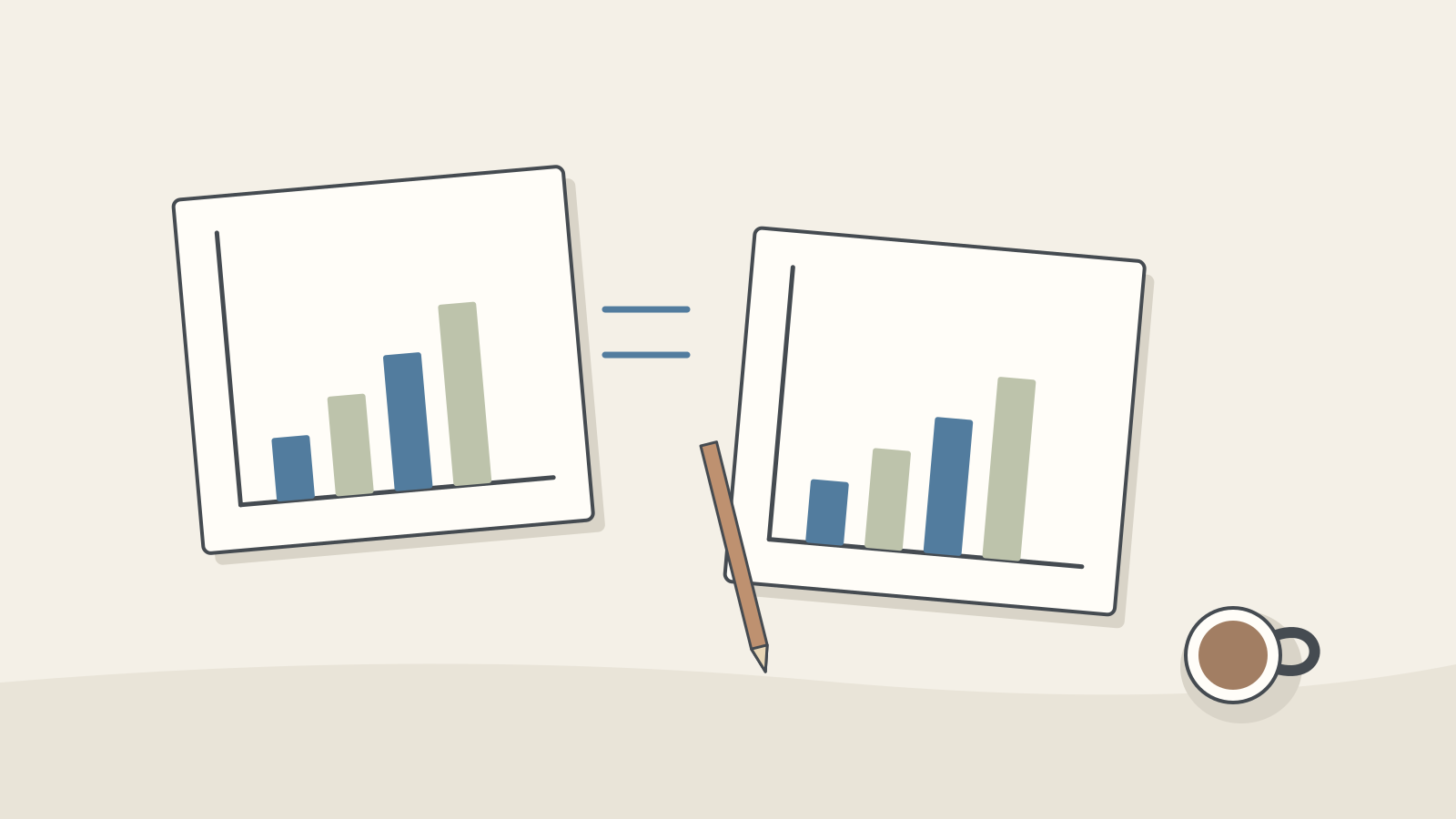
Cambridge University Hospitals announced on November 23 that women attending routine breast screening in Cambridgeshire had become the first participants in EDITH, a UK trial of AI-assisted mammogram reading. The study compares standard NHS double reading with using AI before or after a human reader.
At the appointment, a mammographer asks about breast problems, then positions each breast in turn between two plates and takes X-rays from two angles. The appointment usually takes up to half an hour under the standard NHS procedure. Taking the images accounts for just a few minutes. It is the subsequent reading that changes. At least one specialist will examine every mammogram. The organisers plan to extend recruitment from Cambridgeshire to around 30 centres across the UK.
When the UK government set out the project in February 2025, it proposed recruiting women already booked for routine screening. It put annual attendance across the UK programme at about 2.1 million. The University of Warwick sponsors the study, which aims to recruit 660,000 women.
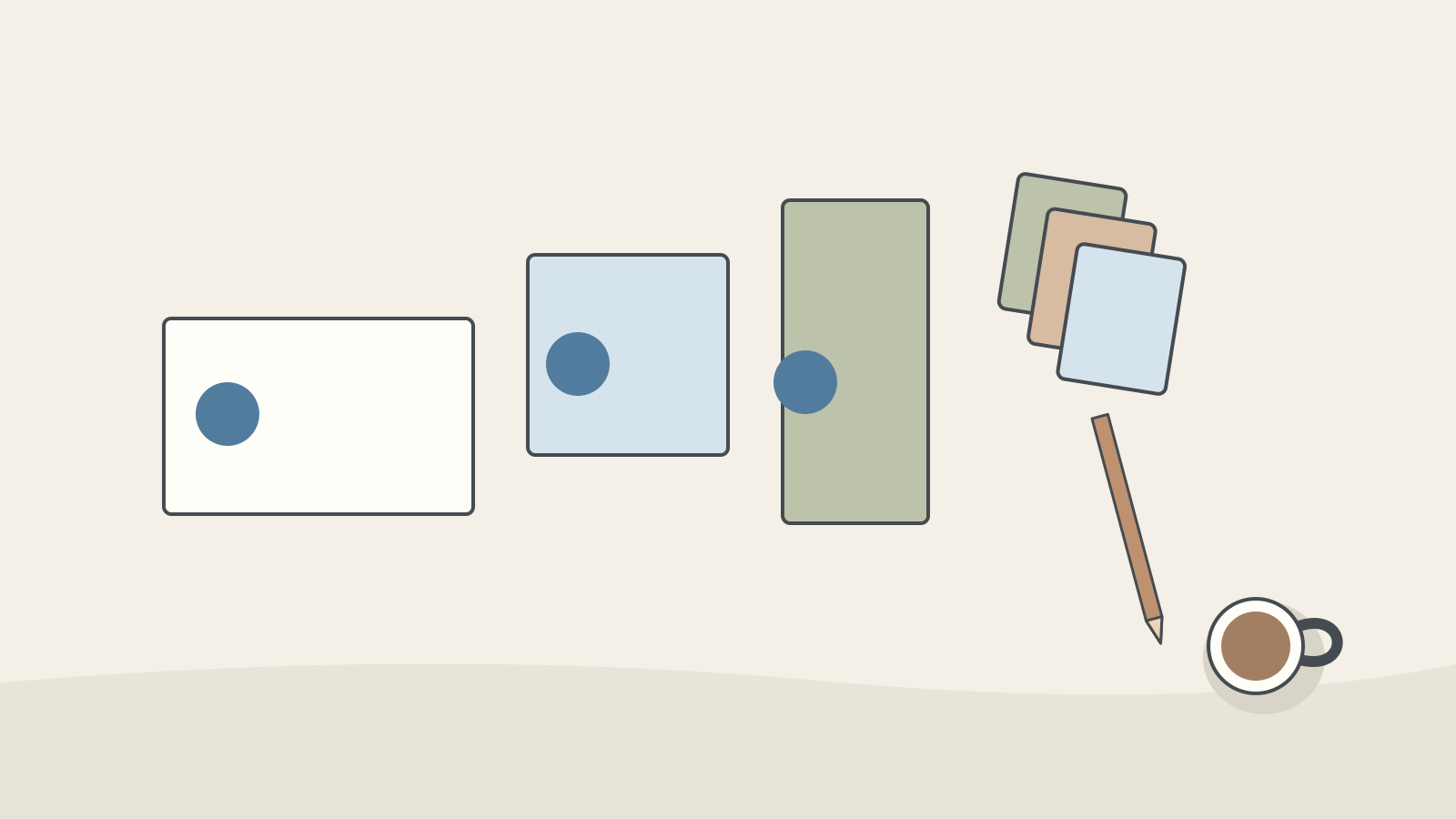
England’s screening guidance requires two readers. Earlier mammograms held by the service are available for comparison. When readers disagree, an experienced colleague or a panel can review the images to decide whether the woman should return for assessment. Services set local rules for arbitration and record the final outcome. Each participating centre will use all three study pathways. The unit assigned at random is a clinic day, so women screened there on the same day follow the same pathway.
When AI takes the second read, a specialist examines the images first. The software looks for signs the reader may have missed. In the other group, the software grades the likelihood that the mammogram shows cancer before a human sees it. One specialist reads a scan graded low likelihood. Two read one graded high likelihood.

To test the reading methods across sites, hospitals need to connect their imaging systems to the research software. In September 2025, the UK government announced nearly £6 million for NHS England to develop a shared platform, with EDITH as its first intended use. The plan calls for trusts to connect securely to multiple tools in one cloud environment, reducing the need for temporary local systems and separate databases.
Trial information accompanies the screening invitation. The participant leaflet for England says that a woman who opts out before or at her appointment will have her images read by two NHS experts without AI. Her data will be excluded from the study results. She can also opt out afterwards, although the software may already have processed her images.

How often women are called back
A callback matters even when the eventual finding is benign. Under the usual NHS process, a results letter generally arrives within two weeks and the woman’s GP also receives the result. Further assessment can include more mammograms, an ultrasound or a biopsy. Most people called back for tests do not receive a breast cancer diagnosis.
In England’s screening figures for April 2024 to March 2025, 6.2% of first-time attendees aged 45 or over were referred for assessment, compared with 2.7% of those previously screened. Of the 73,451 women aged 45 or over referred that year, 52% underwent a core biopsy, fine-needle sampling or both. These figures predate the trial.
The registered plan puts numbers on that trade-off. Finding at least one additional cancer per 1,000 women screened would count as clinically meaningful. For recalls, the researchers set a margin of no more than two extra callbacks per 1,000. Each AI pathway will be compared separately with standard double reading.
The follow-up extends past the result of the initial mammogram. After each woman’s screening episode closes, the team plans to use screening records and cancer registries for a further four years to identify cancers diagnosed later.
Sources
- 케임브리지대병원 첫 참여 발표 · First participation, hospital announcement — Cambridge University Hospitals
- EDITH 임상시험 등록 계획 · EDITH trial registration — ISRCTN
- 잉글랜드 연구 참여자 안내서, 8판 · Information for participants in England, version 8 — Warwick Clinical Trials Unit
- 보건연구청의 EDITH 연구 요약 · EDITH study and ethics record — UK Health Research Authority
- 잉글랜드 유방 검진 영상 판독 지침 · Breast screening image-reading guidance — NHS England
- 유방 검진 결과와 후속 검사 · Breast screening results and assessment — NHS
- 2025년 2월의 국가 연구 계획 · The original February 2025 trial announcement — UK Department of Health and Social Care
- NHS 검진 연구 플랫폼 계획 · NHS research screening platform — UK Department of Health and Social Care
- 유방촬영 검진 당일 절차 · What happens at a screening appointment — NHS
- 잉글랜드 유방 검진 2024–25 연차 통계 · Breast Screening Programme, England, 2024–25 — NHS England Digital