South Korea picks 23 finalists from 1,035 public-sector AI entries
Edited and reviewed by AI Ping Editorial Team
Key points
- The Ministry of the Interior and Safety counted 1,610 entrants across 287 institutions.
- The final takes place on November 25 at KINTEX in Goyang.
- Agencies taking a prototype into service are responsible for checking accuracy and privacy and for running it.

South Korea’s Ministry of the Interior and Safety picked 23 finalists from 1,035 teams in its public-sector AI challenge on November 23. About four in five entrants worked outside IT, including in tax administration, fire services, facilities and education.
The expo lists morning and afternoon sessions on November 25 in Room 204, on the second floor of KINTEX Exhibition Center 1 in Goyang. Teams will show what they have built, and evaluators will assess their work there. Three teams tackling the same handover assignment will demonstrate their approaches.
The handover assignment calls for a draft that an outgoing employee can pass to a successor, drawn from the materials already on file. A second assignment tackles routine office administration. A staff member describes a situation, and the tool consults the office’s rules to identify the procedure, draft the form and set out the next step.
The third assignment deals with amending an ordinance or administrative rule. It calls for proposed wording, a side-by-side comparison with the current text and a way to flag other provisions affected by an edit.

Nine teams will compete across those three assignments. The scorecard assigns 40 points to usefulness and 30 to completeness. Judges consider whether the software runs reliably and whether an office can configure it for its own working conditions.
For the open and assigned tracks, entrants had to supply a demonstration video and instructions for running the program. They could provide mock data for testing. In the open track, reviewers considered the submitted materials and the running software before selecting ten teams for the live round.

The call was open to employees of public institutions as well as central and local government officials. Entries closed on November 11. A separate track used domestic AI on the government’s internal network. Staff could build an assistant by writing instructions in everyday language, without having to program the steps themselves.
Four entries earned recognition in the internal-network track. The ministry’s final-round program reserves stage presentations in that track for its top two award levels.
What it takes to put a prototype into service
The open track takes its name from the government’s AI laboratory. Its July 3 pilot gave staff an internet-based environment for prototyping with open data, cloud services and public application programming interfaces. A shared repository gives colleagues in other offices a place to find development materials for similar work. The laboratory’s repository is designed to hold the problem description, source code and prompts together, so another office can see what the original developer set out to solve.
The repository already held 1,086 projects on October 8. Many were individual experiments. The competition sought tools that could travel between agencies. November’s entry count measures submissions, a different population from projects in the repository.
The expo has scheduled a laboratory forum in the same room the next morning, November 26, from 10 a.m. to noon. That session will cover how the laboratory has been run and how people are using it.
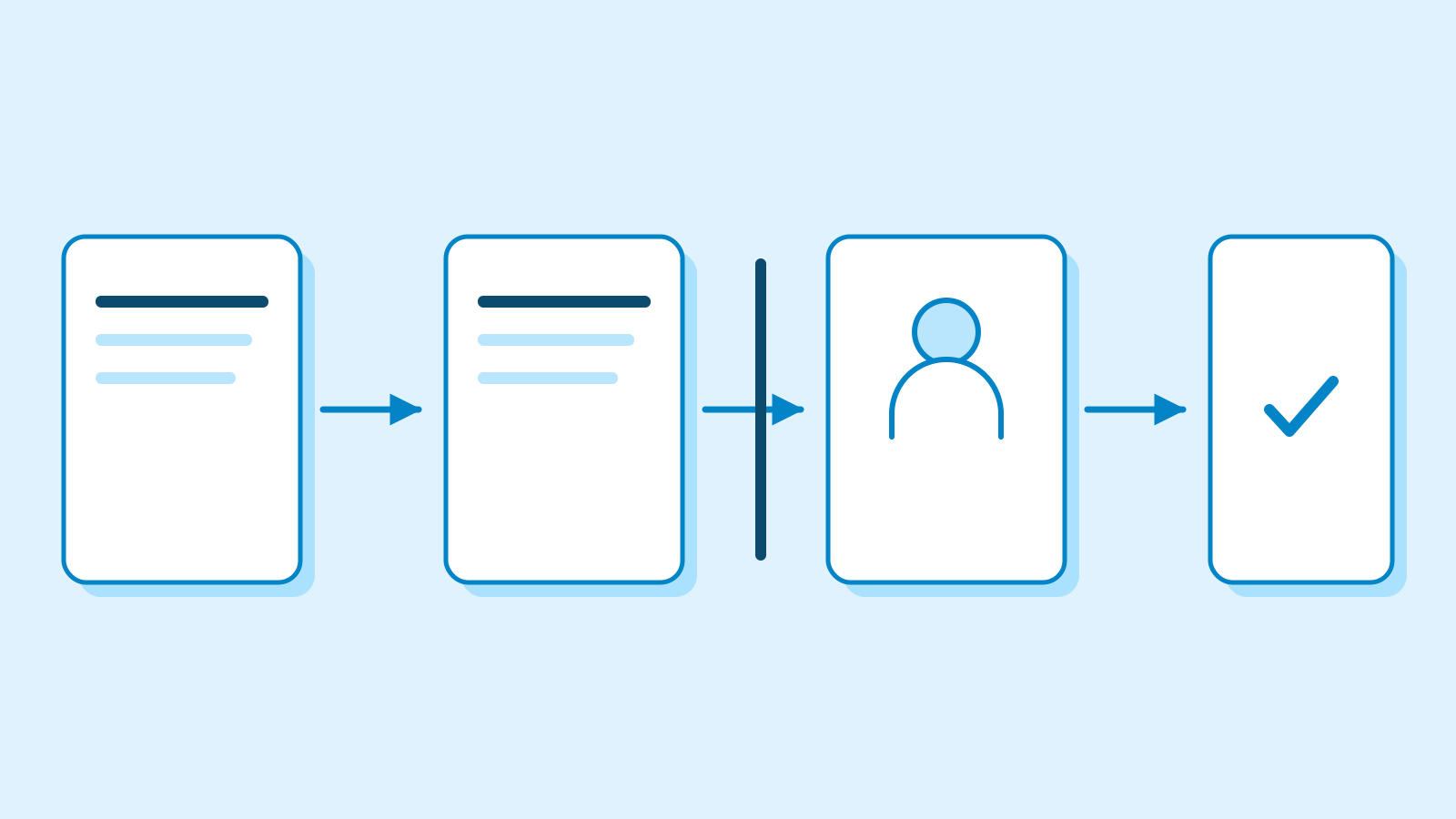
Staff can start testing a prototype without clearance for a separate IT project. Under the framework the ministry presented to the cabinet in September, the department taking a tool into operation sets its scope and checks its accuracy, security and handling of personal information. A large system or a service used by the public can move into a formal IT project with an agency responsible for its operation. The ministry will consider which winning entries to develop for shared use in 2027.
Sources
- 공무원이 만든 AI 도구 1,035개, 결선 23팀 발표 — 행정안전부
- 공공 AI 대전환 챌린지 참가작 모집과 범정부 활용 계획 — 행정안전부
- 공공 AI 대전환 챌린지 행사계획 · 지정과제와 운영 방식 (HWPX) — 행정안전부
- AI 경진 참가 안내서 · 제출물과 심사 기준 (HWPX) — 행정안전부
- 11월 25일 부대행사 · 공공 AI 대전환 챌린지 — 대한민국 정부혁신 박람회
- AI 정부 실험실 시범 운영과 공공 개발산출물 저장소 — 행정안전부
- 공무원의 AI 활용 직접개발 활성화 및 확산 방안 — 행정안전부