Nvidia’s Slurm 26.11 will put quantum processors in the supercomputer job queue
Edited and reviewed by AI Ping Editorial Team
3-line summary
- Nvidia is adding support for reserving quantum processors to Slurm, the software that schedules supercomputer jobs.
- Once a center connects a quantum device, researchers can request it alongside CPU and GPU resources in a batch job.
- Nvidia expects to release Slurm 26.11 later in November.

Nvidia said on November 16 at the SC26 supercomputing conference in Chicago that it would add support for scheduling quantum processing units, or QPUs, to the open-source Slurm workload manager. Once a computing center connects a quantum device, a researcher can request it alongside CPUs and GPUs in the batch job they already submit. Nvidia expects to release Slurm 26.11 later in November and has given no specific release date.
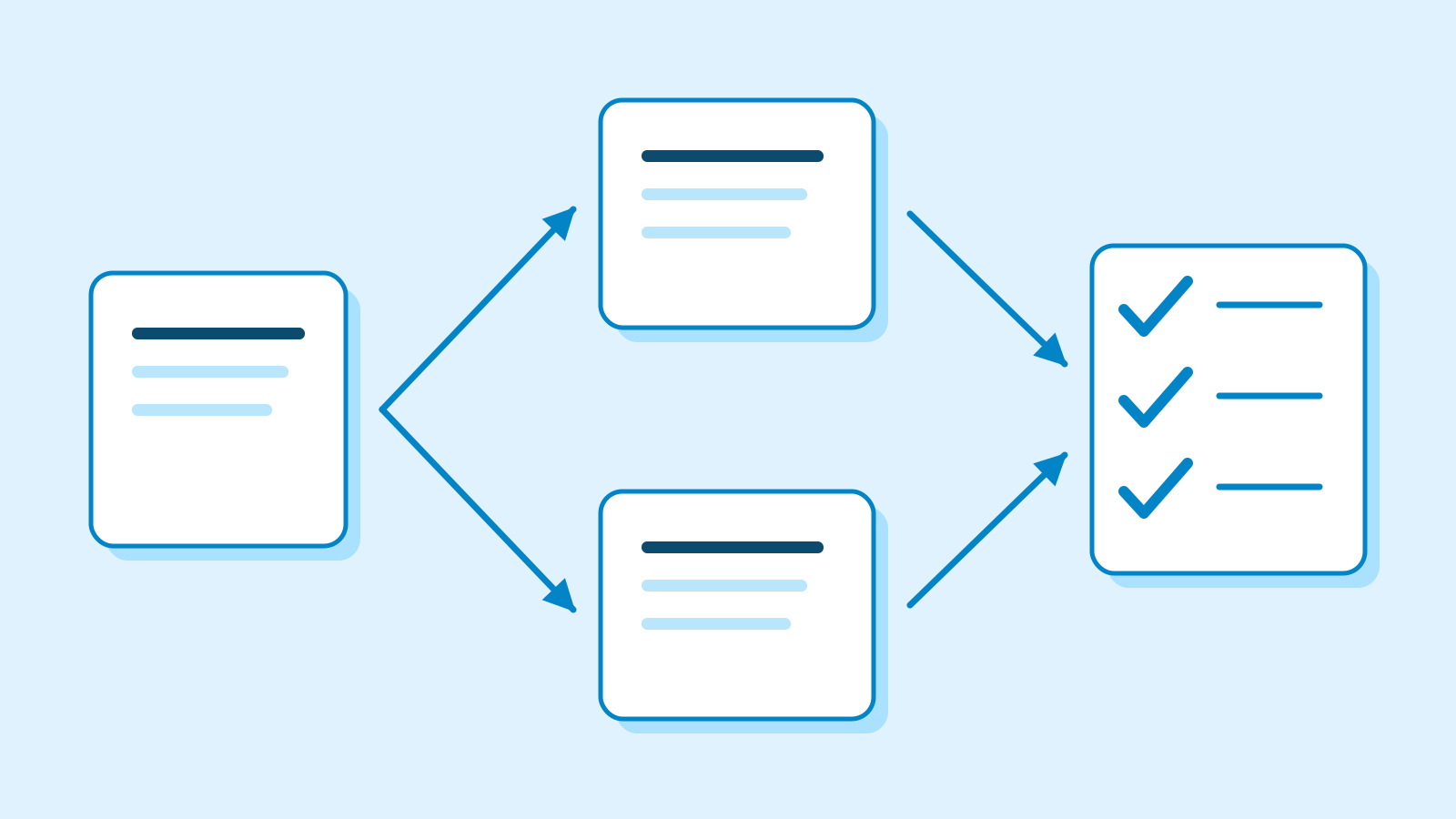
Supercomputing centers use Slurm to decide when jobs run and which equipment they get, taking account of both job priorities and resource availability. A researcher typically specifies how many resources a job needs and for how long, then joins a queue alongside other users. The update gives the scheduler a way to factor in the state of a quantum device when it assigns work. Each center still has to configure access to the local device or an external service before users can reserve it.
Jobs can wait while a quantum device is unavailable
A GPU usually sits inside the server that runs the job. A quantum processor can be shared by several servers. A research workflow might prepare an experiment on a GPU, use a quantum processor for one calculation and bring the result back for further analysis. If that device is undergoing calibration when the server becomes free, the workflow can be interrupted.
Slurm introduced Hierarchical Resources, or HRES, as a beta feature in version 25.05 to describe resources shared across groups of nodes. Version 26.11 adds a plugin interface that connects these resource definitions to the software that manages a device. In quantum hardware maker Pasqal’s implementation, Slurm can keep jobs waiting if the device is undergoing maintenance. The center can also set a limit on concurrent use.
When Slurm assigns the servers for a job, it also sets aside access to the quantum device. The application sends work to the quantum processor and retrieves the result, and the scheduler releases the allocation when the job ends or is canceled. Access is governed by the center’s resource policy and the time allotted to the job.

From an existing integration in Italy to the new plugin
IBM and Pasqal are connecting the Quantum Resource Management Interface, or QRMI, to Slurm. It gives the scheduler and application a common way to interact with the device software. In Bologna, the Italian computing center CINECA hosts SOL, a neutral-atom quantum system built by Pasqal. According to Pasqal, CINECA has already run jobs on SOL through QRMI using an existing Slurm extension. The new integration brings the device into Slurm’s shared-resource model.
Pasqal says the Pulser and CUDA-Q applications used in its example can run under either integration. The change affects how a batch job requests the device and how a system administrator defines the resource. The timing of a switch at any individual center depends on when it upgrades Slurm and validates the new setup.
Finnish manufacturer IQM’s partner Munich Quantum Software Company demonstrated a second route using an interface called QDMI. The partner’s software connects Slurm’s new resource plugin to superconducting quantum devices such as IQM’s Emerald. IQM says it plans to validate the integration with computing centers in staging environments as they upgrade. It gave no timetable for switching existing IQM installations to the new plugin.

Quantinuum’s SC26 example illustrates how job scheduling fits alongside an application’s own workflow. Quantinuum uses a separate runtime to send work to classical and quantum systems and to make sure that later steps wait for earlier results. Slurm assigns computing resources to the jobs. That division lets the scheduler decide which job gets access to a shared device while the runtime manages the order of calculations inside each experiment.
The same day, IBM and Nvidia announced plans for a separate co-design platform with Fermi National Accelerator Laboratory. That initiative will pair Nvidia DGX B200 systems with IBM quantum computers for research in areas including error correction and physics. The November release window applies to Slurm. The three organizations gave no start date for the Fermilab platform.
Sources
- NVIDIA Expands Slurm to Bring Quantum Computing Into Supercomputing — NVIDIA
- Hierarchical Resource Scheduling in Slurm — SchedMD
- SC26 announcement on co-design and Slurm integration — IBM
- Enabling hybrid GPU–QPU workflows with Slurm HRES and Pasqal QPUs — Pasqal
- IQM Supports NVIDIA’s Work to Make Quantum Computers Schedulable in Slurm — IQM Quantum Computers via Business Wire
- EuroQCS Italy: SOL at Bologna — CINECA
- Scheduler and Job Submission — CINECA
- Supercomputing Meets Quantum at SC26 — Quantinuum
- SC26 event announcement timeline — NVIDIA