Tether releases BotPsy for on-device AI assistants
Edited and reviewed by AI Ping Editorial Team
3-line summary
- Tether AI Research released the 800-million-parameter model under an Apache 2.0 license.
- The model picks an action, and the connected app carries it out.
- Tether published tool-use scores. The comparison gives no battery or speed measurements for individual phones.

Tether AI Research released the weights for QVAC BotPsy on November 11, giving developers a small AI model designed to run on a phone or laptop and choose actions inside an app. The model has 800 million parameters and is designed for jobs such as picking the function that sets an alarm or creates a calendar entry. Tether published the files on Hugging Face under the Apache 2.0 license.
For developers, the release offers a way to interpret a request on the device and hand the actual operation to an app. Which operations are available depends on what the developer connects to the model and lets it do. Tether released the model for use in other software. It has yet to offer a standalone BotPsy app that phone owners can install and start using.
The app makes the change
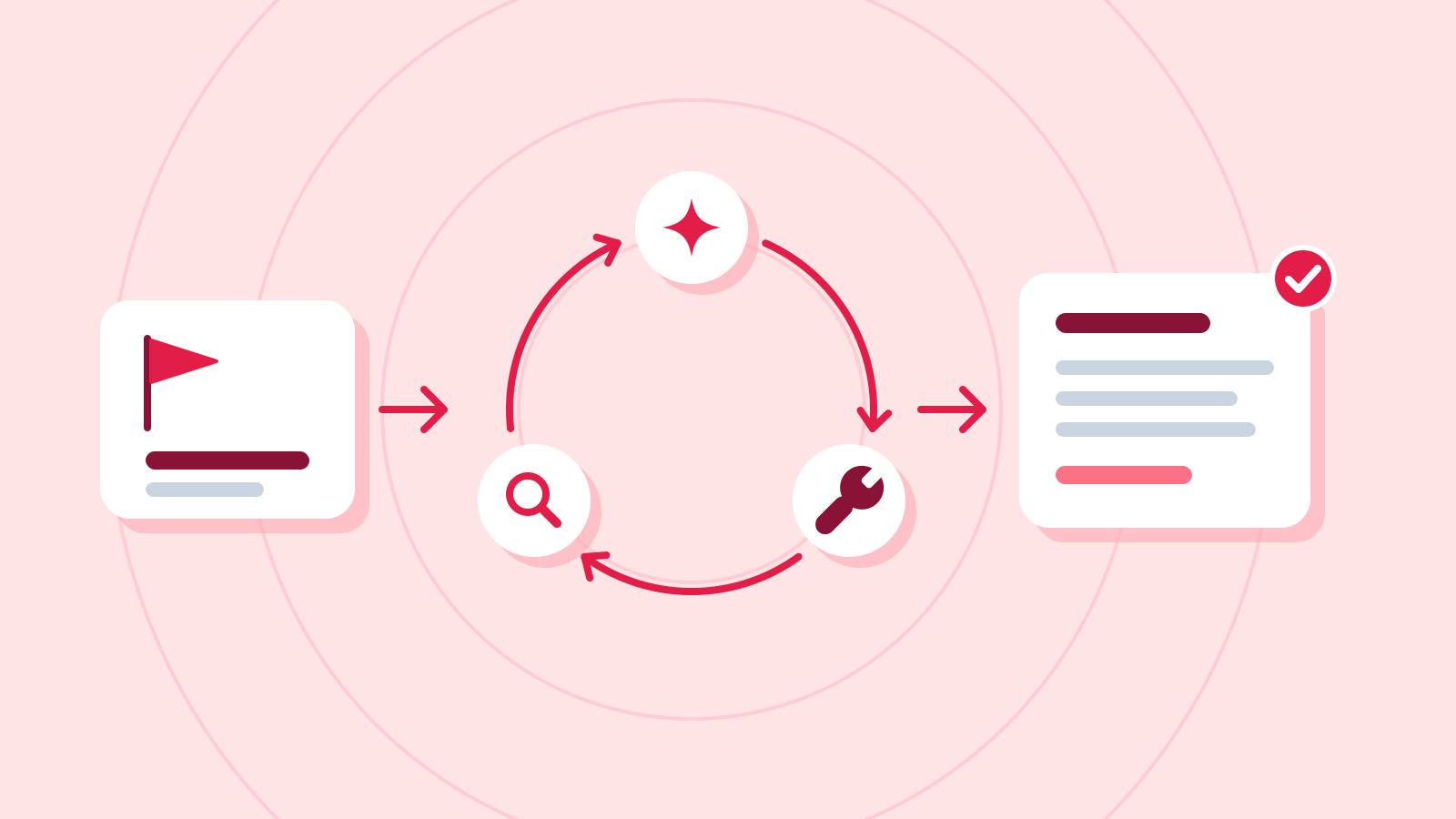
In a scheduling example published by Tether, the model selects the calendar function and fills in the appointment's title, day and time. The app writes the entry and returns the result. If the request takes several steps, the model uses that feedback to choose the next action. The arrangement gives the host app a role beyond displaying what the model says.
Tether says an app built around the model can run it offline and use functions available on the device. A request that calls for a web search still needs a connection. The same distinction applies to calendars: a local calendar and one that synchronizes with a remote service can handle the same appointment details differently. Where the model runs and where the app sends data are separate design decisions.
Tether describes BotPsy as a research and educational model best suited to low- or medium-difficulty tasks. Its model card excludes safety-critical decisions and applications involving money, personal information or health from its intended use. The examples show how a model and an app can divide a job. Developers decide which functions their software makes available and which actions can reach a real account.

What Tether's tool-use tests measured
Tether built BotPsy by further training Alibaba's Qwen3.5-0.8B. Its comparison included Berkeley's Function Calling Leaderboard, which evaluates whether a model picks suitable functions, supplies the right inputs and handles calls that span multiple turns. In Tether's published comparison, BotPsy scored 44.0 out of 100 on that benchmark. Its base model scored 23.4, and the 2-billion-parameter Qwen3.5 model scored 37.7.
BotPsy scored higher than that larger model on five of the six tool-use benchmarks in Tether's table. In Claw-Eval, which factors safety and task completion into the score, BotPsy scored 46.5 and the larger model scored 48.9. In a separate breakdown of jobs requiring several steps, Tether reported a BotPsy average of 50.3 across seven task groups. That figure covers a different set of tasks from the overall Berkeley score.
Tether also tested compressed versions of the model. It ran those evaluations on Nvidia H100 GPUs on November 6 and 7, measuring how the smaller files affected scores on defined tasks. The published comparison gives no per-phone figures for response times or battery drain.

Smaller downloads and an English-first model
The release includes standard weights and GGUF files, a format used by local model runners. The GGUF repository lists an unquantized BF16 file of about 1.52 GB, an 8-bit version of about 0.81 GB and a 4-bit version of about 0.53 GB. The smaller files use fewer bits to store the learned weights. An app's memory use while running also includes the conversation and the software executing the model.
The model card recommends English and lists seven additional languages in its multilingual evaluation: Chinese, French, Hindi, Italian, Portuguese, Russian and Spanish. The published list omits Korean. Tether also described a future setup in which a phone could pass heavier jobs to a computer at home. The announcement gives no date for that capability.
Sources
- BotPsy release announcement — Tether
- BotPsy: a small on-device AI agent model built to act — QVAC
- BotPsy technical report and evaluation methodology — Tether AI Research
- BotPsy-0.8B model card — Tether AI Research
- BotPsy GGUF weights, file sizes and evaluation conditions — Tether AI Research
- Berkeley Function Calling Leaderboard v4 — Berkeley Gorilla