Anthropic files for IPO with ANT ticker; price and size unset
3-line summary
- A public S-1 filed on October 26 sets out the proposed Nasdaq listing.
- First-half net loss includes fair-value remeasurement of financing instruments.
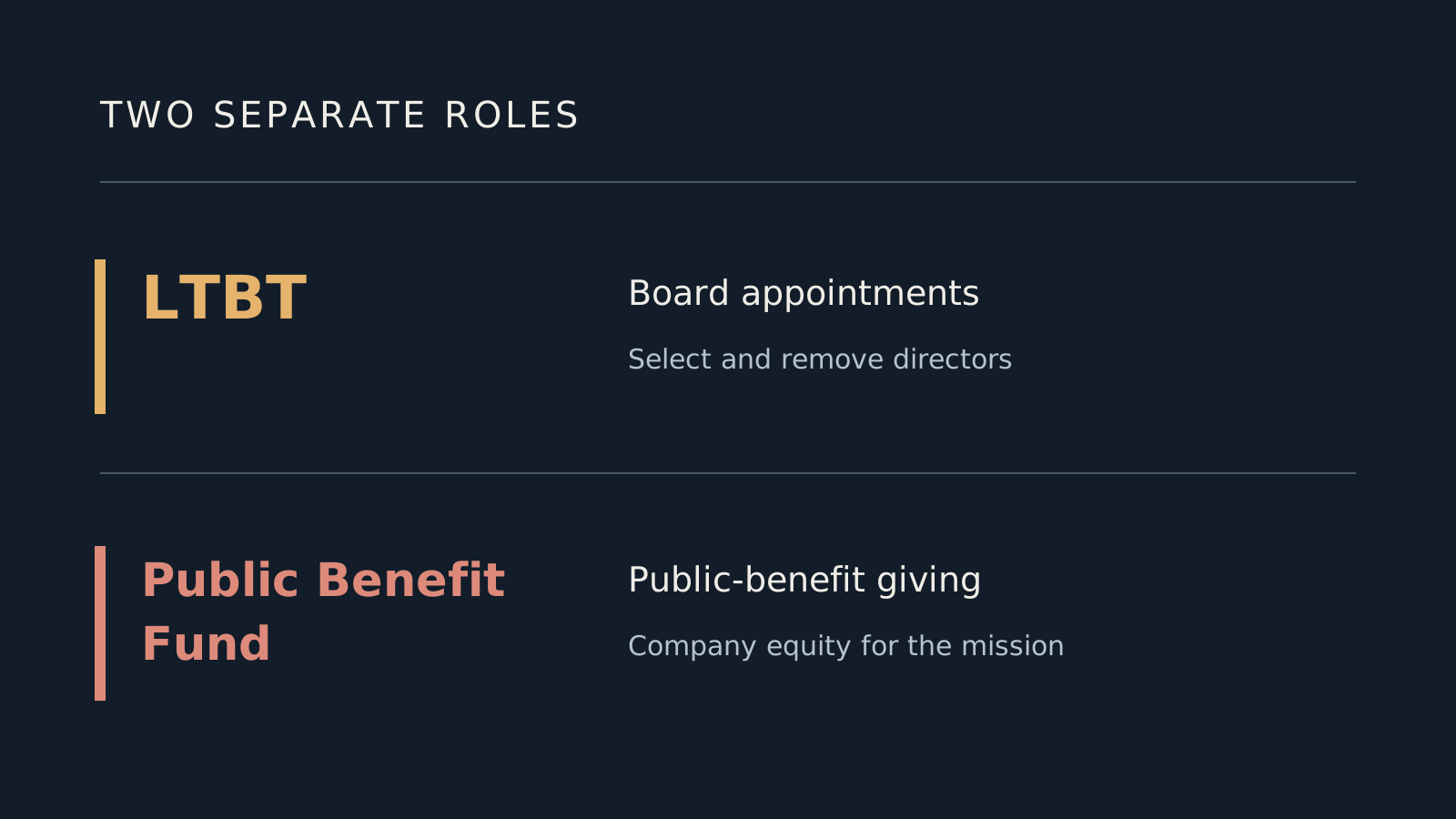
- A board-appointing trust and an equity-holding benefit fund have separate roles.

Anthropic, the company behind Claude, publicly filed a Form S-1 registration statement for an initial public offering on October 26. It plans to list Class A shares on the Nasdaq Global Select Market under the ticker ANT. The number of shares and proposed price range remain undetermined.
Investors can now inspect the disclosed financial results. First-half 2026 revenue was $16.286 billion and operating loss was $693 million.
Net loss reached $80.748 billion, including $72.388 billion in fair-value expenses on financing instruments. The company says higher enterprise valuations mainly drove the convertible-note remeasurement.
Anthropic previously announced a confidential draft S-1 submission on June 1. At that stage, the company said completing SEC review would give it the option to go public, with any offering dependent on market conditions and other factors. The new public filing makes a prospectus available for outside readers to inspect.

Public shares and public-benefit governance
Anthropic is a for-profit Delaware public benefit corporation. Its governance balances shareholders’ financial interests, people materially affected by its activities and the public-benefit purpose in its charter. In its original 2023 explanation, the company described special Class T stock giving the Long-Term Benefit Trust authority to select and remove directors. Its charter purpose is responsible development and maintenance of advanced AI for humanity’s long-term benefit. The Trust receives notice of certain major corporate actions. The structure also allows changes to its powers with sufficiently large shareholder supermajorities.
The S-1 assigns a founder entity Class F voting power of 50.1% on general matters before closing, excluding Class T director elections.
An October 21 announcement says the Trust can appoint a majority of Anthropic’s board. Trustees are independent of management and investors, and advise the board and company leadership on major decisions, particularly AI risks and societal impacts. The same announcement says trustees helped define five charter pillars used in its first Public Benefit Report, which closes with their assessment of the company’s progress. The company says the report records both its mission-related work and where it falls short.
Announced on October 18, the Anthropic Public Benefit Fund is a wholly owned limited liability company. The plan, subject to shareholder approval, allocated 5% of the company, with another 2% available at board discretion for each 50% increase in value above a specified baseline.
The October 26 S-1 records an initial contribution of Class N shares representing 5% on a June 30 fully diluted basis assuming full conversion of Amazon notes. Separately, co-founders pledged 80% of their personal equity to philanthropy. The fund was designed to accommodate nonprofit donations or direct distributions to particular populations. Its October 18 terms prohibit using the Anthropic equity it holds for lobbying or political giving.
SEC guidance describes IPO review as checking disclosure and accounting requirements and identifying unclear or deficient explanations. Reviews can lead to prospectus revisions. Responsibility for complete, accurate disclosure remains with the company and those preparing it; effectiveness is not an endorsement of investment merits. Public companies subsequently face continuing quarterly and annual reporting obligations.
The company and underwriters determine offering prices through market analysis, demand assessment and negotiation, according to the SEC. A final prospectus generally adds final pricing absent from preliminary documents. Public S-1s and amendments are available on EDGAR. Staff comment letters are published at least 20 business days after effectiveness.
Anthropic says its registration statement is not yet effective. Before effectiveness, the securities cannot be sold and purchase offers cannot be accepted. Goldman Sachs and Morgan Stanley are the named contacts for a preliminary prospectus when available.
Sources
- S-1 public filing announcement — Anthropic
- Form S-1, October 26 — Anthropic / SEC
- Confidential draft S-1 announcement — Anthropic
- Long-Term Benefit Trust structure — Anthropic
- Trust authority and independence, October 21 — Anthropic
- Public Benefit Fund framework — Anthropic
- IPO registration and review — SEC / Investor.gov
Corrections
- Corrected a Korean grammatical particle.