Banksalad demos AI that looks for a new loan after a rate-cut refusal
Edited and reviewed by AI Ping Editorial Team
Key points
- The demonstration followed a fictional 28-year-old looking to refinance a 50 million won savings-bank loan.
- South Korea’s delegated rate-cut service for existing loans began on February 26.
- A regulatory designation covers preliminary loan checks, and the borrower proceeds with the lender they choose.

Banksalad demonstrated AI in Seoul on November 25 that sought another bank’s terms after a fictional borrower’s request for a lower interest rate was turned down. Chief executive Kim Tae-hoon presented the lending service ahead of its app release. The presentation took place at the aT Center on the opening day of Korea Fintech Week, hosted by South Korea’s Financial Services Commission.
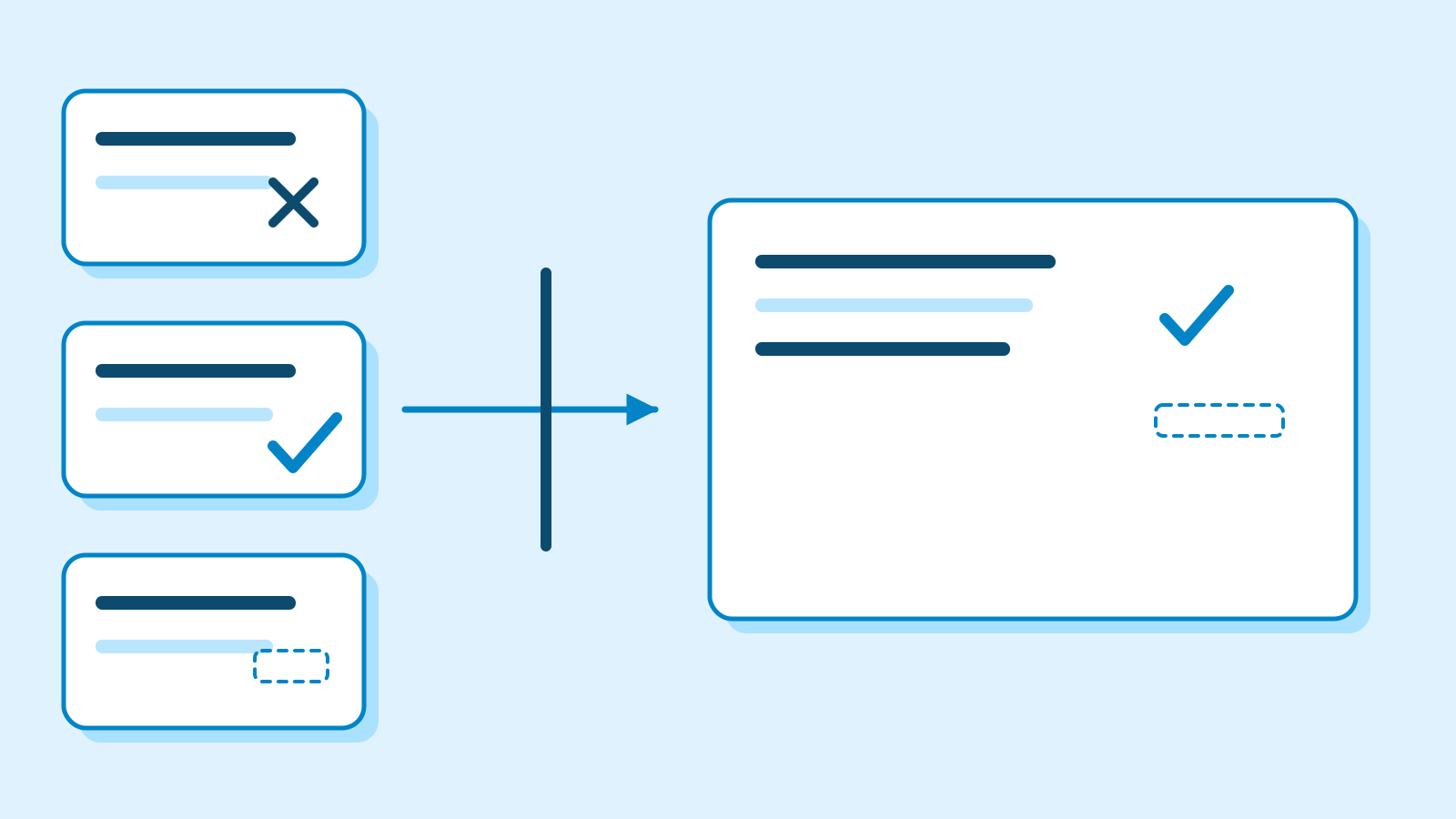
Min-jun, the fictional 28-year-old, worked for a small or medium-sized company and was paying interest on a 50 million won unsecured loan from a savings bank. His brief was simply to reduce what he paid. The demonstration first took him back to his existing lender, then showed him a possible loan at a commercial bank. Borrowers in South Korea can already delegate a request for a rate cut on an existing loan. In an actual refinancing, the new lender assesses the application and decides whether to extend the credit.
Several agents shared the work behind that one request. Banksalad described a system in which specialist agents respond to different parts of a customer’s situation. A coordinating agent draws on their proposals to choose the next step. The borrower can state one goal covering both credit checks and loan comparisons.
According to Korea Financial Times’ on-site account, Min-jun’s phone payment history went into his credit assessment. The agent used his improved credit standing to request a rate cut. When the lender declined, it kept checking his score and other rates on offer.
Banksalad’s existing credit service illustrates who does the scoring. On the 15th of each month, it sends the customer’s financial data from Korea’s MyData system to Korea Credit Bureau. The bureau adds public records it retrieves itself, checks for evidence that warrants an increase and reports the result. Because the service considers only factors that could raise a score, a customer’s score can also stay the same.

A rate review at one lender, a preliminary offer from another
Borrowers in South Korea have been able to delegate rate-cut requests on existing loans since February 26. A customer authorizes a participating provider and selects the loan. Under the commission’s rules, routine requests can be made up to once a month, with additional requests when there is clear evidence such as a substantial income increase or a higher credit score. If the lender declines, the provider checks the reason and tells the customer what could improve the application.
Looking for another lender involves a separate authorization. On October 21 the commission designated Banksalad’s delegated search as an innovative financial service. The designation allows the company to seek a preliminary assessment when a customer’s circumstances improve and pass the result back. The customer can then go directly to the lender whose terms they choose.
Banksalad said on November 6 it planned to use this capability in its loan agent. It noted that changes in a borrower’s job, market rates or a lender’s criteria can affect the terms available. Customers can withdraw the authorization at any time.
The company’s refinancing service covers products from participating institutions. Its disclosures explain that a lender uses the information initially entered to produce an indicative rate and borrowing limit. When it checks income, employment and transaction history in the full review, it can change those terms or decline the loan. An early repayment charge on the old loan and stamp duty on the new agreement can also affect the cost of switching.

After the demonstration, commission chairman Lee Eog-weon asked how the system might help someone at risk of missing a payment. Kim said information about money coming in and going out of the customer’s accounts could help prevent arrears.
Banksalad’s first-floor booth at the aT Center is open through November 27, with scenarios built around finding a job, managing health and buying a home. At 1 p.m. on the final day, experts from technology, law and communications policy are scheduled to discuss financial AI and consumer protection in a one-hour session on the third-floor main stage.
Sources
- 개막일 발표 · 코리아 핀테크 위크 2026 — 금융위원회
- 김태훈 대표의 시연 설명과 현장 사진 — 한국금융신문 · 옥준석
- 개막일 현장 촬영 · 대출 비교 시연 — 머니투데이 · 이창섭
- 현장 질의응답 · 금융위원장과 뱅크샐러드 대표 — 프라임경제 · 장민태
- 신용점수 자동 올리기는 어떤 기능인가요? — 뱅크샐러드 고객센터
- 2월 26일 시행 · 마이데이터 기반 금리인하요구 서비스 — 금융위원회
- 10월 21일 · 대출 조건 대리 조회 혁신금융서비스 지정 — 금융위원회
- 저금리 대출 대리조회 · 위임과 가심사 범위 — 뱅크샐러드
- 대출 갈아타기 · 제휴 금융회사와 본심사 안내 — 뱅크샐러드
- 핀테크 위크 참가 · 부스 체험과 세미나 — 뱅크샐러드