GLM-5.4 brings vision to every Coding Plan tier and cuts output credit use by a third
Edited and reviewed by AI Ping Editorial Team
Key points
- Lite subscribers can send images to GLM-5.4.
- The standard output rate falls from 24 to 16 credits per 10,000 tokens.
- General API access and downloadable weights are due later.

On November 23, Z.ai released GLM-5.4 to all Coding Plan subscribers. Even Lite users can send images. Zixuan Li of Z.ai said weekly quotas would cover 50% more usage than with GLM-5.3.
At Z.ai’s standard rate, generating 10,000 output tokens costs 16 credits with GLM-5.4, down from 24 with GLM-5.3. That makes the same output budget stretch 50% further. Working out the total for any one answer also requires counting what went into it.
The earlier GLM family already had a visual model. GLM-5.3-Flash, released on August 26, could inspect a browser interface, the rendered result of some code and the feedback produced by interacting with it. Subscribers could also call a separate vision tool from a coding client. Among its functions are reading text from an error screenshot and comparing two views of an interface to identify where the implementation differs. The tool could also interpret a system diagram or read a chart in a dashboard and pass the resulting description back to the coding client.
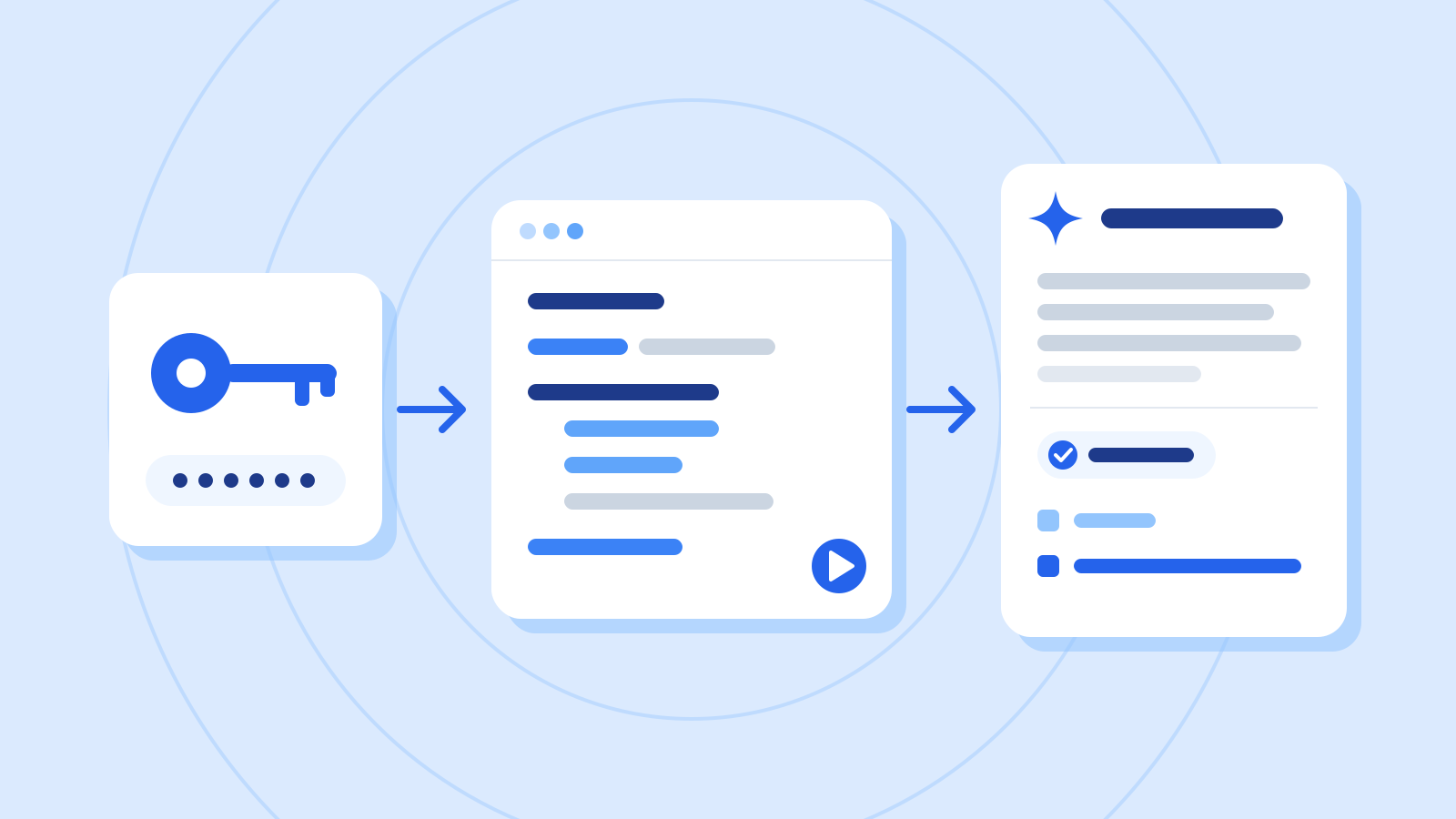
With the new flagship selected, a compatible client can send both the image and the written request to GLM-5.4. In Cline, for instance, image input can be enabled so a screenshot can identify the part of an interface that needs work. Clients without custom model selection depend on their providers adding support. Cline’s documented one-million-token context window covers the code and conversation considered together. One demonstration published by Z.ai uses mathematical geometry and shader code to build an interactive three-dimensional birdwatching scene.
What 48 output credits buy
Lite includes 2,000 credits per five hours and 10,000 per week on the international plan. Fresh input, cached input and output each have a rate. Both models use half rates off-peak.
Consider 48 credits spent purely on output at the standard rate. They cover 20,000 tokens with GLM-5.3 or 30,000 with GLM-5.4. Sending a long file for the first time and asking for a small edit to a previously supplied file can produce equally long answers with different total charges. Estimating the number of finished coding jobs would require knowing the input, output and tool calls each job consumes.
The subscription has one pool of usage across supported tools. Work done in Cline counts against the same allowance as work in Claude Code. The weekly cycle starts with the subscription and resets every seven days. Once the plan allowance is exhausted, calls from those tools do not automatically draw on the account’s separate balance.

Two passes through 28 layers
Inside GLM-5.4, a block of 28 middle layers from the GLM-5 base model runs twice. The second pass takes the intermediate result of the first as its starting point. Z.ai’s researchers describe the first pass as building context and making smaller changes, with the second using the same weights to make fuller updates.
The design draws on the 2018 Universal Transformer paper. Its authors proposed refining the representation at each position in a sequence over repeated steps, updating positions in parallel. The work addressed how a network could do additional computation on material it had already read. Z.ai adapted a pretrained network to this approach and said the new model can sometimes spend too long deliberating.

The launch announcement directs users to the Coding Plan, ZCode and the Z.ai Chat website. For developers who want to call the model from their own products, Z.ai says general API access will follow a safety evaluation. The company also plans to release downloadable weights for self-hosting. It gave neither release a date.
Sources
- 코딩 플랜 구독자 공지 · Subscriber announcement — Zixuan Li · Z.ai
- 모델 공개 및 이용 경로 · Launch and availability — Z.ai
- 구독 한도와 기본 차감표 · Plan allowances and credit rates — Z.ai Docs
- 구독 한도와 계정 잔액 · Shared quotas and account balance — Z.ai Docs
- 코딩 도구의 모델 선택 · Model and image settings — Z.ai Docs
- 8월 모델 출시 기록 · August model releases — Z.ai Docs
- 코딩 플랜의 시각 분석 도구 · Vision tools — Z.ai Docs
- GLM-5.4의 반복층 설계 · GLM-5.4 architecture — Z.ai Research
- Universal Transformers · 2018 — Mostafa Dehghani et al.