Gemini 4 Neon reaches Pro; API input costs $3 per million tokens
Edited and reviewed by AI Ping Editorial Team
3-line summary
- Google began rolling out Neon for coding and analysis on November 18.
- Standard API rates are $3 input and $15 output per million tokens.
- API thinking defaults to high; Antigravity context is capped at 512K tokens.

Google began rolling out Gemini 4 Neon on November 18 to eligible AI Pro and Ultra subscribers and paid API users. Positioned between Carbon and Hydrogen, the model targets complex coding and analytical work. Pro subscribers can select it in the Gemini app for deeper analysis.
For personal accounts, the app’s help table lists Neon in both Chat and Task modes for Pro and Ultra. Free and AI Plus accounts do not list it. Auto routes requests to Hydrogen or a lighter model. Manual selection offers Low, Medium and High thinking, defaulting to Low when none is chosen. Work and school access depends on the Workspace license.
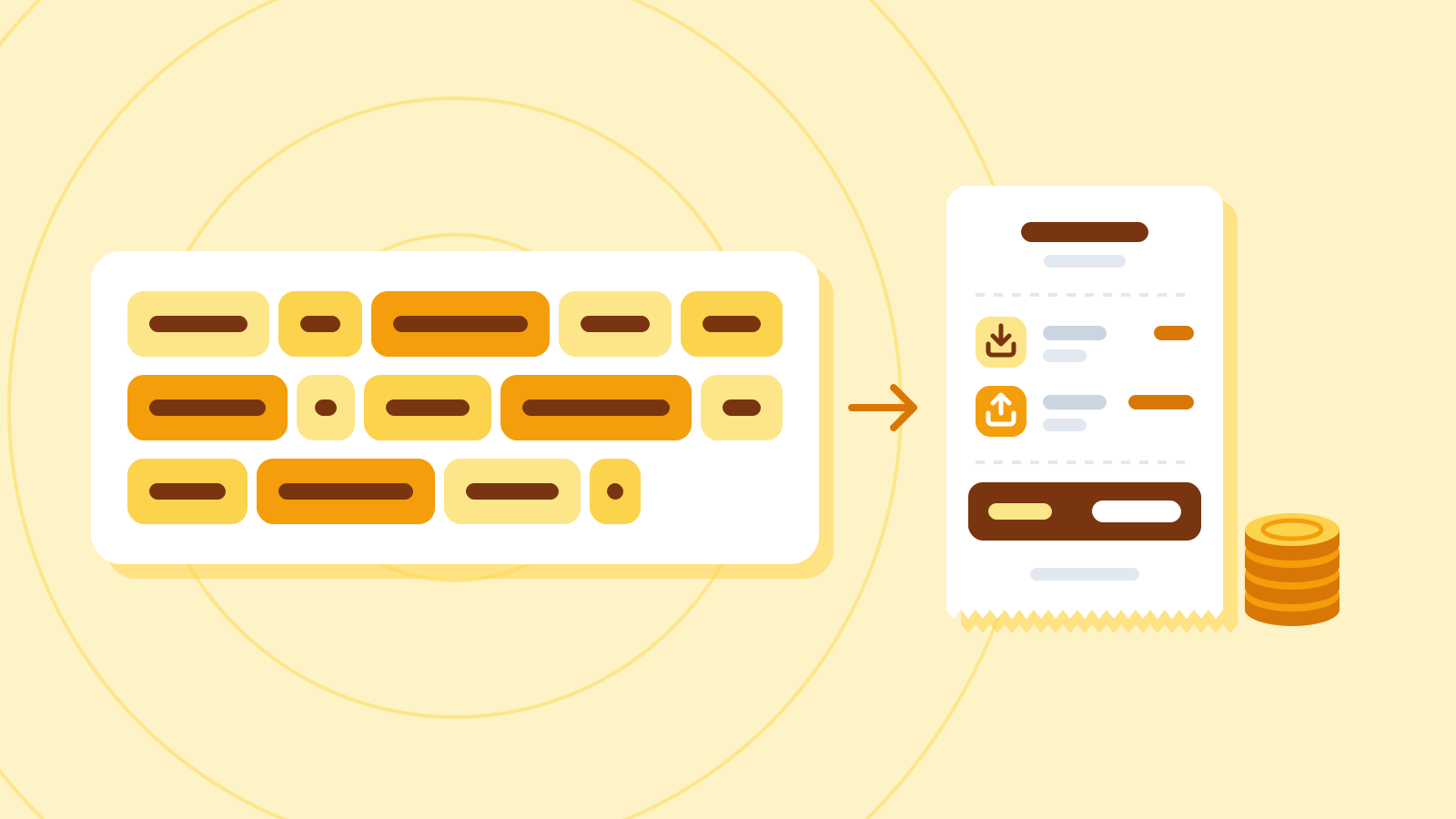
Standard API pricing is $3 per million input tokens and $15 per million output tokens, including thinking tokens. Cached input costs $0.15. Neon has no free API tier. Batch rates are $1.50 for input and $7.50 for output. Caching is implicit only; explicit caches are unsupported. Search and Maps grounding carry separate usage charges. These are developer usage charges, separate from a monthly app subscription.
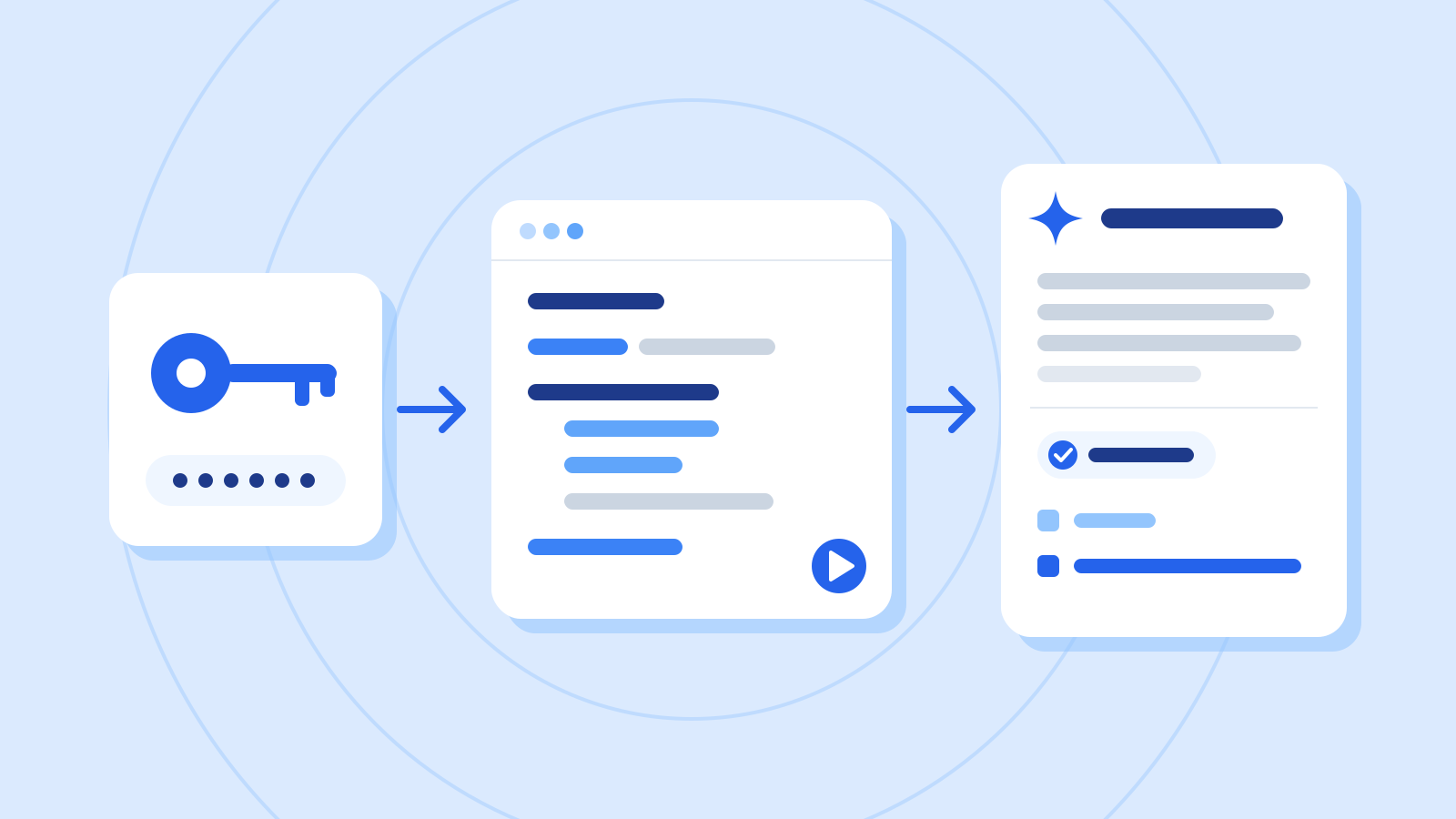
The API reference specifies a unified input-and-output context limit of 1,048,576 tokens. Default synchronous output is capped at 65,536 tokens, rising to 1,048,576 with long decode. Inputs can include text, images, video, audio and PDFs; output is text. Supported tools include code execution, function calling, structured output and search grounding. Image generation, audio generation and Live API are unsupported.
Access and limits vary by product
In Antigravity, the team lists a context limit of 512K tokens. The API’s million-token capacity therefore does not describe every surface. Paid Pro and Ultra qualify; Pro trials qualify only with eligible premium devices.

Orchestrator pairs Neon’s planning and review with Hydrogen’s code edits, package updates and tests. When execution stalls, control returns to Neon to inspect the state and revise the plan. The pairing operates within one conversation. Enterprise access through Gemini for business includes Neon, but excludes Orchestrator.

The model card reports mixed comparisons across coding evaluations. Neon scores 65.2% on Terminal-Bench 4.1 and 46.2% on FrontierCode 2.0; Opus 5.5 scores 65.8% and 47.3%, respectively. Those are results on specific evaluations, rather than success rates for all software work.
The separate methodology document generally reports single-attempt results, without majority voting or parallel test-time computation. Most API evaluations use the highest thinking setting. Neon’s Terminal-Bench result comes from Artificial Analysis using public Antigravity CLI 1.5.9. Other evaluations include provider-run results, with methods and attribution specified individually.
The developer update connects long decode to background processing. Available space subtracts input tokens, while reasoning and the final answer share the output budget. API thinking has four levels—low, medium, high and xhigh—with high as the default, unlike the app’s manual-selection default. Earlier 3.8 Flash separated its million-token input and 64K output budgets; Neon shares the window across input, thinking and output. Its migration guidance covers the model name, reasoning setting, output length and tool use together when moving an existing workload.
The model card says Neon is adapted from Carbon and has a March 2026 knowledge cutoff, with some domains potentially less current. Hallucinations remain a limitation. Google says the full safety and security report will be available in the coming days.
Sources
- Introducing Gemini 4 Neon — November 18, 2026 — Google
- About Gemini models — personal-account availability and thinking defaults — Google Gemini Help
- Gemini Developer API pricing — Neon standard, cache and batch rates — Google AI Studio Docs
- Gemini 4 Neon — model reference and supported capabilities — Google AI Studio Docs
- Neon and Orchestrator — product limits and plan eligibility — Google Antigravity Team
- Gemini 4 Neon model card — evaluation results and limitations — Google DeepMind
- Gemini 4 Neon evaluation — methodology and attribution — Google DeepMind
- What’s new in Gemini 4 Neon — thinking and migration — Google AI Studio Docs