Genie 4 opens to API developers, with live video at about $0.10 a second
Edited and reviewed by AI Ping Editorial Team
3-line summary
- Developers can connect apps to worlds they steer live.
- Video with audio is about $0.10 a second, with sessions capped at 120 seconds.
- Disconnection and completion differ, alongside separate usage quotas.

Google opened Genie 4 to developers through the Gemini API and Google AI Studio on November 19. Applications can now connect to generated worlds seeded from text or a reference image, with keyboard movement and live text edits. The developer release follows the consumer Project Genie rollout a day earlier.
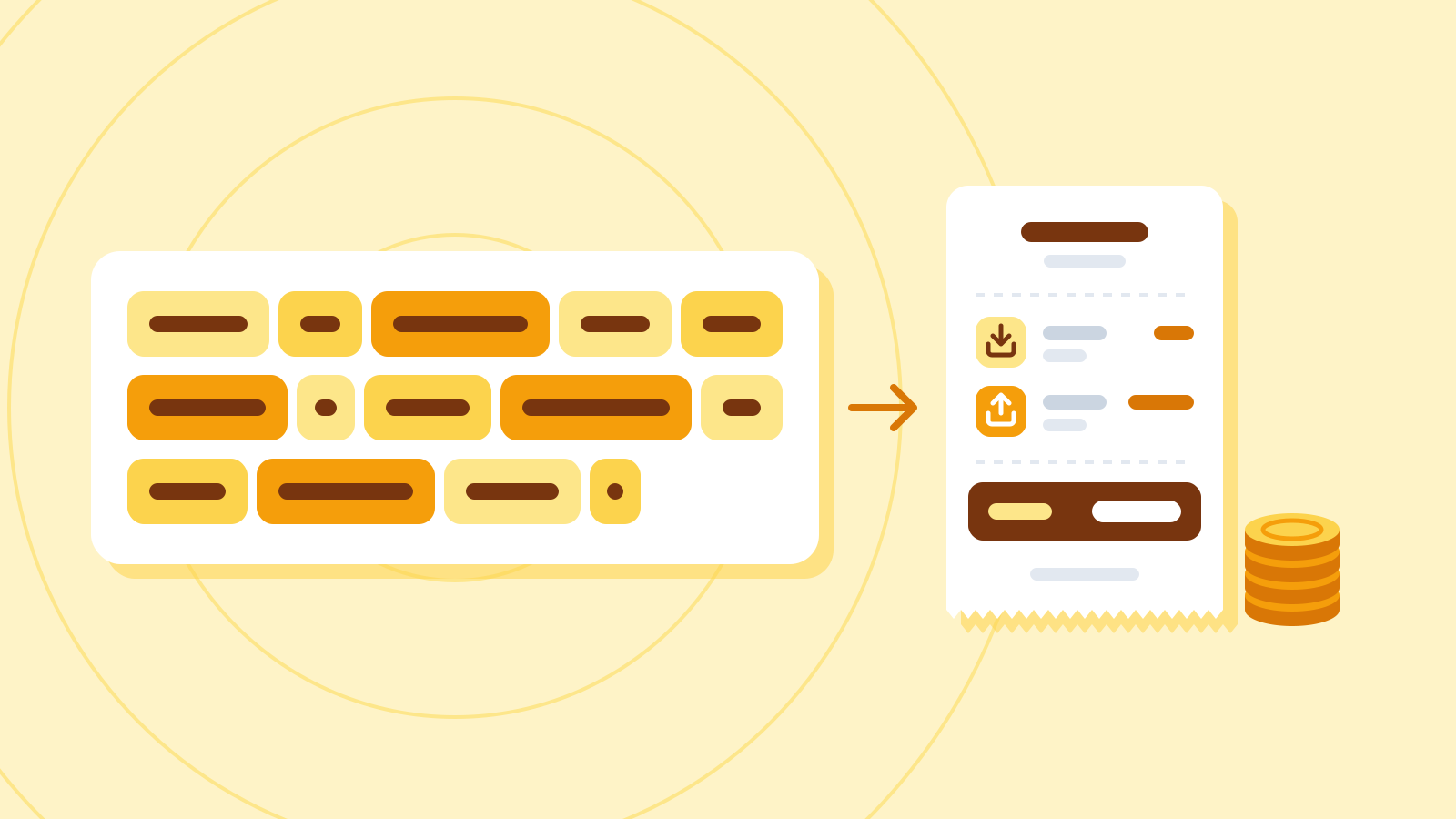
The paid API charges $1.50 per million input tokens for text or reference images and $9 per million text output tokens. Video costs $17.50 per million output tokens, including audio. At 24 frames per second, that is about $0.10 per second or $6.05 per minute of video, before input and text output charges.
Sessions run for up to 120 seconds. The model specification lists 1280×720 video at a fixed 16:9 aspect ratio and 24 frames per second, synchronized with 48kHz stereo audio. One reference image can be supplied at initialization. For browser transport, Google specifies a compressed JPEG below 48KB to fit the connection’s message-size limit.
Generated scenes include ambient sound and character dialogue. Google says all output carries an imperceptible SynthID watermark.

Disconnecting can leave generation running
The integration guide describes creating an interaction on a server, then connecting a browser with a temporary token scoped to that interaction. The permanent API key stays on the backend. Browser and Python or JavaScript paths support live connections, followed by an initial world setup and movement or text events.
Ending billing requires ending the server session. Google says closing a browser tab or detaching a local connection does not immediately stop generation. Completion ends generation and token charges; cancellation aborts generation. Detaching is intended for a temporary break before reconnecting.
Object continuity has limits. The controls guide says state depends on recent frames: objects or buildings left out of view for more than eight seconds may change when seen again. Coherence can degrade after 60–90 seconds. It describes short paths or interactions that keep one subject in view.
Google lists roughly 0.2–0.5-second visual responses to movement at low network latency and 1–2 seconds for text changes. Some key names lack built-in jump or interaction behavior; applications can connect those actions to text events.

Usage tiers set session and daily-request ceilings. Tier 1 allows two concurrent sessions and 50 requests per day; Tier 2 allows five and 250; Tier 3 allows ten and 1,000. Movement and text-control messages within a session consume no separate per-minute or daily request quota.
Limits apply per project, so multiple keys in one project share the allowance. The general quota guide says daily requests reset at midnight Pacific Time, with a project’s active limits visible in AI Studio. Genie 4 supports neither the free tier nor Batch, Flex or Priority processing.
Serving currently uses US data centers only. Google warns that round-trip network latency above 150 milliseconds slows keyboard steering. The specification fixes resolution, aspect ratio and frame rate; portrait output and separate European or Asia-Pacific endpoints are unsupported.
Paid-service terms say prompts, submitted files and responses are excluded from product improvement. Google nevertheless logs prompts and responses for a limited period to detect prohibited use and meet legal disclosure duties. Account, billing, usage and technical records follow separate privacy terms. Paid API use is defined through a Cloud project linked to active billing. Safety-related records may be stored or cached in countries where Google or its representatives operate facilities.
Sources
- Genie 4 is now available on the Gemini API — November 19, 2026 — Google
- Gemini API pricing — Genie 4 — Google AI Studio
- Genie 4 model specification — Google AI Studio
- Interactive world generation with Genie 4 — Google AI Studio
- Genie 4 prompt and controls guide — Google AI Studio
- Gemini API rate limits — Genie 4 — Google AI Studio
- Gemini API Additional Terms of Service — Paid Services — Google AI Studio
Corrections
- Replaced the pricing diagram with a raster copy because its lettering failed in public image conversion. Article text, original publication time and cover are unchanged.