Huawei Cloud launches Pangu 2.1 Pro API at 3.2 yuan per million output tokens
Edited and reviewed by AI Ping Editorial Team
3-line summary
- Huawei Cloud added openPangu-2.1-Pro to its model service in Guiyang, China, on November 15.
- The API supports a 512K context and tool calling. Standard input costs 0.8 yuan per million tokens and output costs 3.2 yuan.
- Pangu 2.0 Pro and Flash are scheduled to go offline in the same region at midnight Beijing time on November 30.

Huawei Cloud added openPangu-2.1-Pro, a text generation model, to its model-as-a-service platform on November 15. The company’s release bulletin identifies the version as 20261115 and lists a single supported region, Southwest-Guiyang1 in China. Developers using the service in that region can call the hosted model through Huawei’s API.
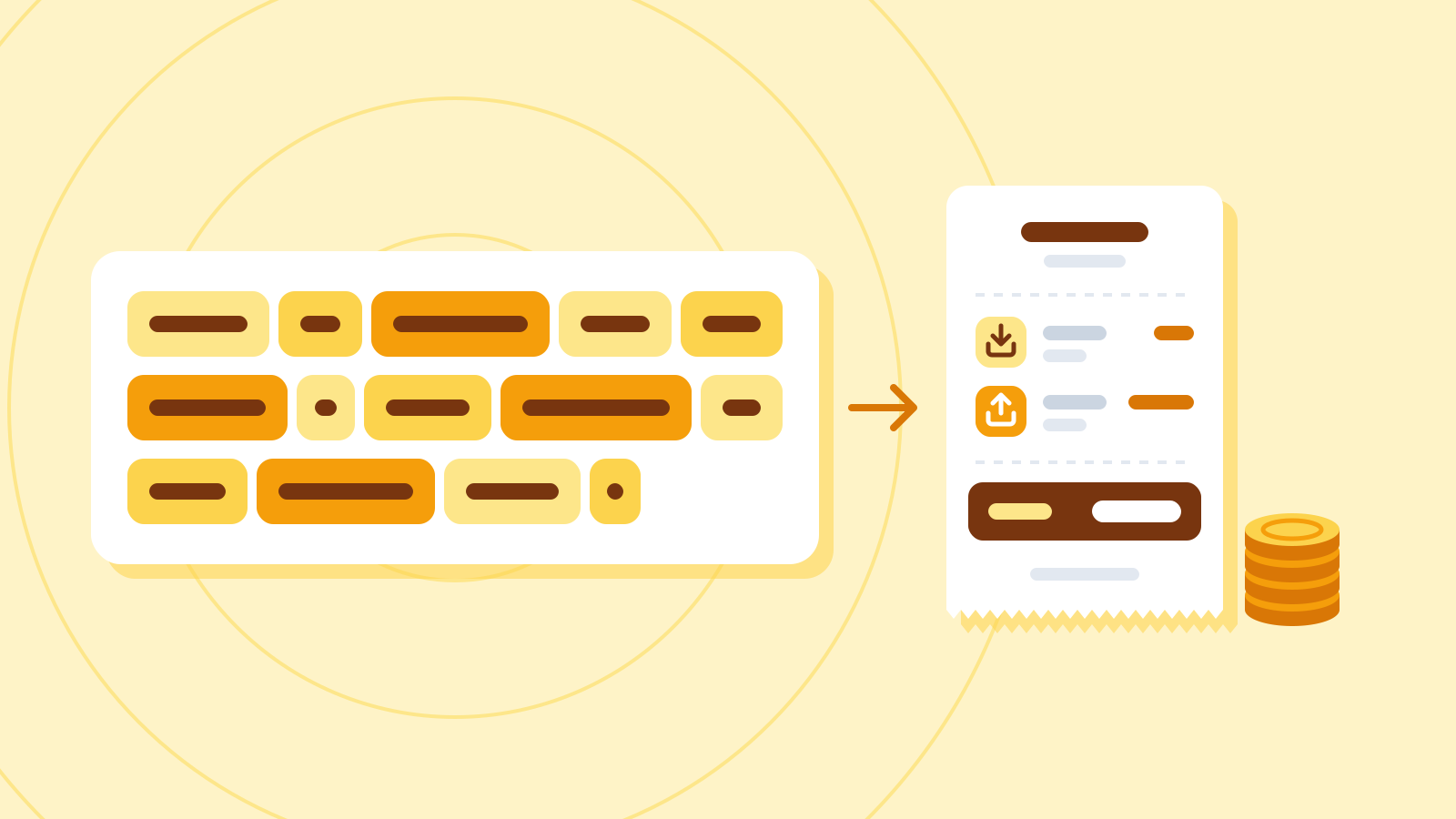
Huawei lists standard input at 0.8 yuan per million tokens and output at 3.2 yuan per million. Input served from a cache costs 0.016 yuan per million. A November 6 notice to partners had set the launch for mid-month. The updated documentation now gives teams a price and an API model entry to work with.
A coding model aimed at HarmonyOS apps and Ascend chips
Huawei says the release focuses on generating ArkTS code for HarmonyOS apps and code for operators on its Ascend accelerators. ArkTS builds on TypeScript, with stricter checks before programs run and features for describing app interfaces. An accelerator operator performs a discrete computation, such as a tensor operation used when a model runs. Huawei’s release bulletin gives no measured improvement in coding accuracy or speed for either job.
Huawei lists a 512K context window, a measure of how much information the model can take into account for a task. Output length has its own limit. The bulletin lists function calling, which lets the model request tools that the surrounding application makes available. It also supports continuing from text supplied at the beginning of a response. The earlier Pangu 2.0 Pro already had a 512K context and function calling.
The standard API lists the model identifier as openpangu-2.1-pro, in lowercase. Huawei fixes two controls for discouraging repeated words or topics at zero for this model. Applications that tune those controls on another model cannot use them to change how 2.1 Pro handles repetition. The standard API can send a completed response at once or deliver it in a stream.
Huawei’s table marks 2.1 Pro as a managed service deployed in advance by the cloud provider. It lists no support for deploying it in the platform’s shared or dedicated resource pools. Huawei uses openPangu as the name of the model family. The release bulletin and API documentation reviewed by AI Ping contained no link to download 2.1 Pro’s weights. A separate file release and terms would determine whether teams could host that version elsewhere.

Output costs less than 2.0 Pro
Huawei’s price table puts the older Pangu 2.0 Pro at 14.5 yuan per million output tokens for requests below 32K tokens and 17.6 yuan at or above that threshold. The 2.1 Pro output rate is lower than both, with no separate price bands for long requests or busy periods in the published table. Pangu 2.0 Flash costs 1.6 yuan per million output tokens, half the rate of the new model.
The cache discount applies when the cloud can reuse a matching beginning of an earlier request. That can matter for software that sends the same instructions or document several times while a task is underway. Huawei says the platform looks for shared prefixes automatically and describes cache hits as uncertain. The standard input and output rates apply to the tokens that are processed in each category. The lowest input rate covers only tokens served from the cache.
Teams using the older services have a separate deadline. Huawei lists both Pangu 2.0 Flash and 2.0 Pro for retirement in Southwest-Guiyang1 at midnight Beijing time on November 30. The new model’s release and the older ones’ retirement appear in separate notices.

The retirement table names DeepSeek V4.1 Flash 1017 as the suggested replacement for 2.0 Flash and GLM-5.3 for 2.0 Pro. Huawei notes that a change of model can affect pricing, supported features, API parameters and how an application performs. The replacement entries remain separate from the listing that makes 2.1 Pro available.
Sources
- MaaS model release bulletin — Huawei Cloud
- MaaS Standard API V2 — Huawei Cloud
- Text generation model pricing — Huawei Cloud
- MaaS model retirement bulletin — Huawei Cloud
- Huawei Cloud partner update, November 6 — Huawei Cloud
- ArkTS programming language — Huawei Developers