Edge0 adds local photo input to its 145B and 120B models
Edited and reviewed by AI Ping Editorial Team
3-line summary
- On November 15, Edge0 added an image encoder to four distributions of its 145B and 120B models.
- Users can pair a local photo or screenshot with a question and get a text reply on the same computer.
- The language weights stay in place. Image input requires a compatible helper and an explicit configuration.

Edge0 added a still-image encoder to its Edge0-145B and Edge0-120B models on November 15. The company’s Hugging Face history puts the first upload, to the 145B NVFP4 repository, at 12:22:35 UTC. Both models subsequently carried the file in their Q3_K and NVFP4 distributions, alongside instructions for enabling image input.
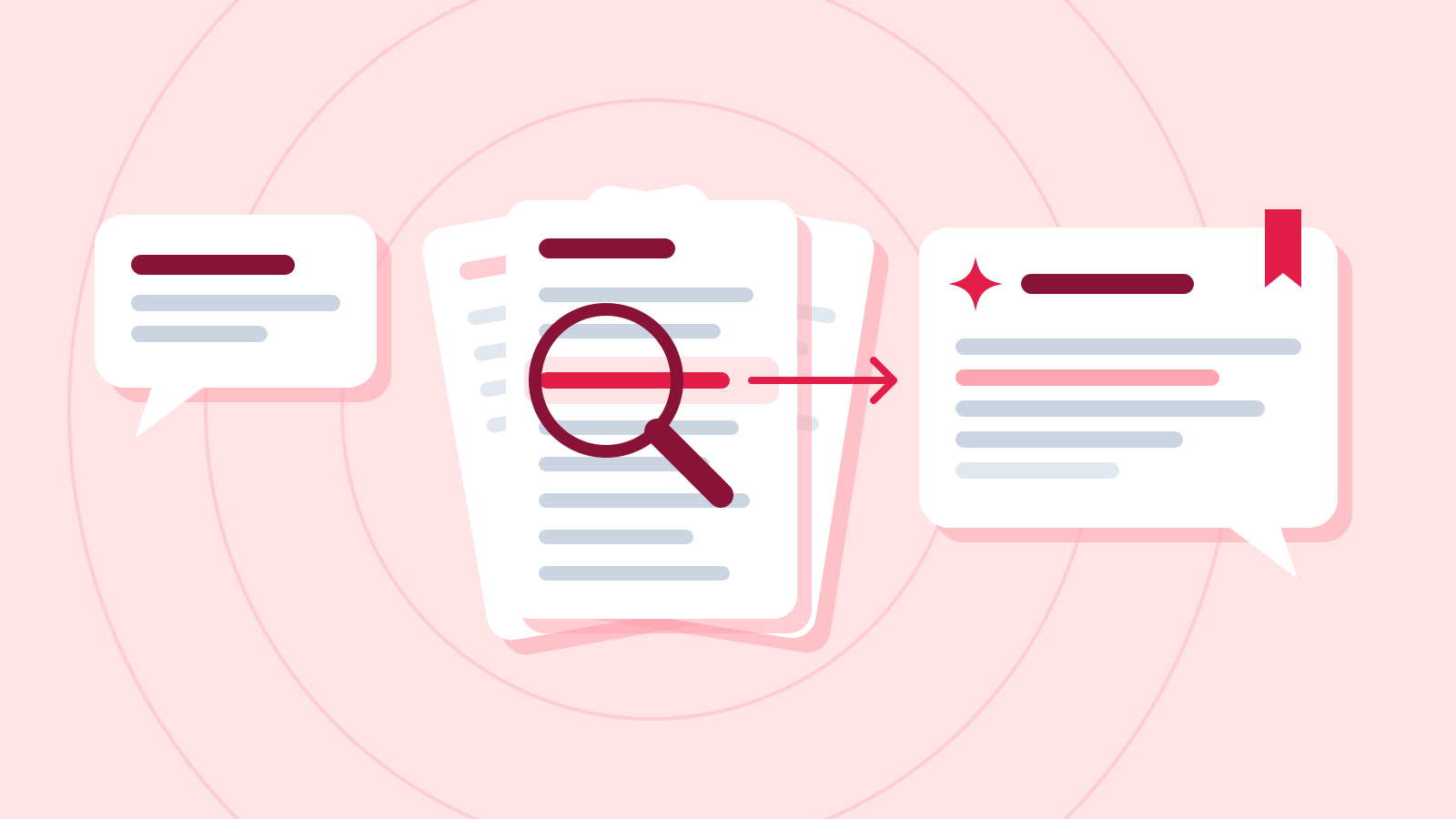
People already running one of those models can now pair a photo or screenshot with a question once they configure the image reader. A person sorting reference photos, for example, can ask what objects appear in one of the files and get a text reply on the same computer. Edge0 describes two routes for the request: its terminal chat and software connected to a local server.
The image reader can run on the CPU or GPU
The addition is a file of about 908 MB. The four repository listings record the same size and content hash. The encoder turns the photograph into numerical representations that the language model can read with the question. Edge0 kept the language weights in place. The repository history also records a filename change between the first upload and the publication of the setup notes.
Edge0’s sample configuration runs the image reader on the CPU, leaving the graphics card’s dedicated memory available for the existing language-model workload. On a card with its own memory, the company says running the reader on the GPU reserves about 1.4 GB and leaves less room to cache the pieces of the language model the engine uses to answer a request. Moving image encoding to an NVIDIA card also requires a CUDA-enabled build of the reader.
The sample also gives each image a budget of up to 1,024 tokens, the units the model receives after processing the picture. That controls how finely the input represents the picture. Edge0 says a higher setting can preserve more detail at the cost of extra processing time.

A separate setup step unlocks photo prompts
The default configuration files in all four model folders still omit the image settings. The user needs a compatible runtime with its image reader and must point the model configuration to it. Edge0’s public build file treats the reader as an optional component. The latest desktop-app release listed on GitHub is v0.2.0, dated November 11. The November 15 notes document photo input through terminal chat and the local API.
Once configured, people can identify a photo file in terminal chat. Applications using the local server can submit a text question and an image in the same request. The documented options include embedding the image data, pointing to a local file or supplying a web address. A photo copied from a memory card can come from local storage, while fetching one by web address requires a network connection.

Edge0’s hardware instructions vary with the weight format. Its NVIDIA path for Linux and Windows uses CUDA 13. On Apple Silicon, it documents Q3_K with Metal and lists NVFP4 as CUDA-only. The public reader build also has a Mac option for encoding on either the CPU or the Metal GPU. The model format and the operating system still determine which engine build a user needs.
Edge0’s API example also separates the length of the reply from the setting that controls whether the model spends time reasoning before answering. The company says a short reply budget can be used up before the model returns any visible text. Its notes describe how to request a direct answer in that case.
Sources
- 145B NVFP4 vision-encoder upload and documentation history — Edge0 / Hugging Face
- Edge0-145B model card, encoder settings and request examples — Edge0 / Hugging Face
- Edge0-120B model card, image-input support and runtime requirements — Edge0 / Hugging Face
- 145B NVFP4 repository tree and encoder object metadata — Edge0 / Hugging Face
- Default Edge0-145B NVFP4 model configuration — Edge0 / Hugging Face
- Default Edge0-120B Q3_K model configuration — Edge0 / Hugging Face
- Image reader build options for CPU and GPU runtimes — Edge0
- Desktop app v0.2.0 release and publication time — Edge0