New York Times sues Brave over AI search data and paywall bypass
Edited and reviewed by AI Ping Editorial Team
3-line summary
- The Times and three other US newspapers filed two separate suits against Brave on November 2.
- The complaints challenge article delivery through AI answers and search APIs, plus browser paywall bypass.
- The named AI customers are not defendants; publishers seek damages and an injunction.

The New York Times sued Brave Software on November 2 over its AI data services and browser access to journalism. A separate lawsuit filed the same day by the Daily News, Chicago Tribune and Orlando Sentinel raises similar claims in the Southern District of New York.
Brave is the defendant in both cases. The publishers challenge its Ask Brave answer engine, the API supplying other AI services, and its browser’s paywall blocker. AI customers mentioned in the filings are not defendants in these actions.
Brave operates both a browser and a search business. Its current company page reports more than 120 million monthly active browser users and over 80 million search queries a day. It describes an independent search index, an AI answer feature for users, and an API supplying other applications.

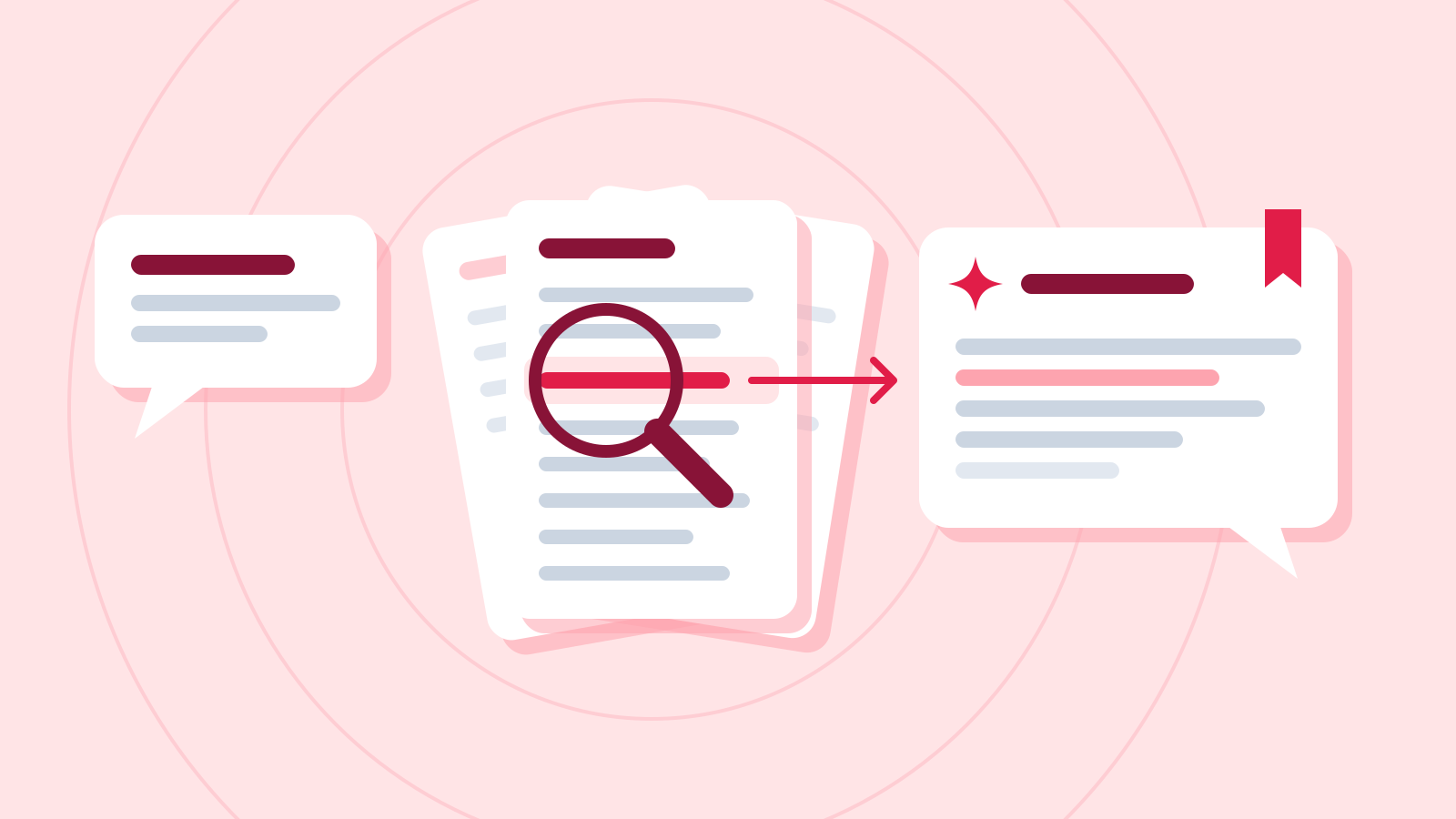
For developers, the API is a route from current web material into an AI application. Brave’s product page says searches run against its own index without falling back to Google or Bing. Its LLM Context documentation describes returning extracted page passages and source metadata in a format ready for a model, beyond the titles and short snippets of ordinary search results.
The current product page describes source URLs and timestamps, a last-24-hours filter and fetch metadata. It also advertises an adjustable context size of roughly 1,000 to 33,000 tokens. Those are product controls, separate from the publishers’ specific reproduction tests.
The Times includes side-by-side comparisons in its complaint. In one example, it alleges that an API response reproduced 1,291 of an article’s 1,295 words. This is a plaintiff-run test involving a particular article and request. The filing’s example does not establish a reproduction rate across all searches or all articles.
The three-newspaper complaint describes a user requesting a Chicago Tribune article about data-center tax breaks. It alleges that Ask Brave returned more than 1,200 words and supplies screenshots comparing the exchange with the original journalism.
Crawler identification and paywall access
The publishers also invoke the Digital Millennium Copyright Act over alleged circumvention of subscription access controls. They bring a separate unjust-enrichment claim over alleged replacement of publisher ads with Brave’s own ads. These complaints await adjudication.
Brave’s public crawler guidance explains that it does not advertise a distinct HTTP crawler-identification string, saying it wants to avoid discrimination by websites that allow only Google to crawl. It says its crawler will not fetch a domain or page that Googlebot cannot crawl. The guidance also describes removing a page from the index through a noindex directive, which requires Brave to fetch the page again before applying that change.
The same guidance says an opt-in Web Discovery Project partly powers the crawler. The browser option is off by default, and Brave says privacy mechanisms prevent it from knowing which participant contributed which information.

Its current API page separately says storing results or using them to train models requires a plan that includes storage rights. The LLM Context documentation lists text, tables, code and structured data among supported material and describes grounding answers in retrieved sources. The documentation also lists forum discussions and video captions, extending the retrieval scope beyond news articles. The lawsuits concern how the newspaper content reached users through these products and whether its use was authorized.
Perplexity criticized the suit as disinformation in a statement to Ars Technica; the outlet reported that it identified no specific inaccuracies. The publishers seek damages, restitution of profits and a permanent injunction against the conduct they challenge. Both complaints also demand a jury trial.
Sources
- Complaint, New York Times Co. v. Brave Software, No. 26-cv-9549 (November 2, 2026) — The New York Times Company / S.D.N.Y. filing
- Complaint, Daily News et al. v. Brave Software, No. 26-cv-9554 (November 2, 2026) — Daily News, Chicago Tribune, Orlando Sentinel / S.D.N.Y. filing
- About Brave — browser, search and company-reported usage — Brave
- Brave Search Crawler — Brave
- Brave Search API — product and storage-rights FAQ — Brave
- LLM Context: Web search for AI agents and chatbots — Brave
- NYT demands Brave shut down its paywall blocker and end deals with AI firms — Perplexity statement — Jon Brodkin — Ars Technica