Canada pledges up to C$1.6 billion for a stake in Cohere
Edited and reviewed by AI Ping Editorial Team
3-line summary
- Canada committed up to C$1.6 billion for an equity stake in Cohere.
- Cohere’s full Series E fundraising target is up to C$7 billion.
- The company plans to expand its models and institution-controlled deployment platform.

Canada pledged up to C$1.6 billion for an equity stake in Cohere on October 29. Prime Minister Mark Carney announced the commercial investment in Montréal, with commitments to expand Canadian technical employment and computing infrastructure.
Cohere separately announced an initial close of its Series E round, targeting up to C$7 billion at a prospective C$35.7 billion valuation. It plans to fund models, industry-specific products and long-term computing capacity for enterprises and governments that need AI operating within environments they control.
Under the government agreement, Cohere committed to at least 1,000 new Canadian technical jobs and at least C$1.7 billion in additional Canadian computing infrastructure by 2030. It will retain Canadian incorporation and headquarters. Funds are disbursed in stages, with regular reporting on those commitments.
Schwarz Group companies lead the round. Bell Ventures and the Canadian government are among the new investors, while NVIDIA and Inovia are returning backers. The C$7 billion figure is a fundraising target; the announcement gives no separate amount for the initial close.

Schwarz Group’s role follows an earlier German-Canadian partnership plan. On April 24, Cohere announced its proposed combination with Aleph Alpha and a €500 million structured-financing commitment from Schwarz Group companies for the forthcoming Series E. That plan envisaged a sovereign offering on Schwarz’s STACKIT cloud. The April commitment is historical context and is not added to today’s fundraising target as a separate new raise.
Expanding models and the systems around them
In a separate October 29 essay, Cohere’s founders outlined plans to build a frontier AI company outside the United States and China. Their roadmap includes large frontier models alongside smaller, efficient ones selected for cost, latency and deployment needs. They also described using failures observed in customer workflows to inform model improvements, with industry products and cyber defence developed alongside general capabilities. They said the platform should preserve customers’ control of workflows and data as they switch between models.
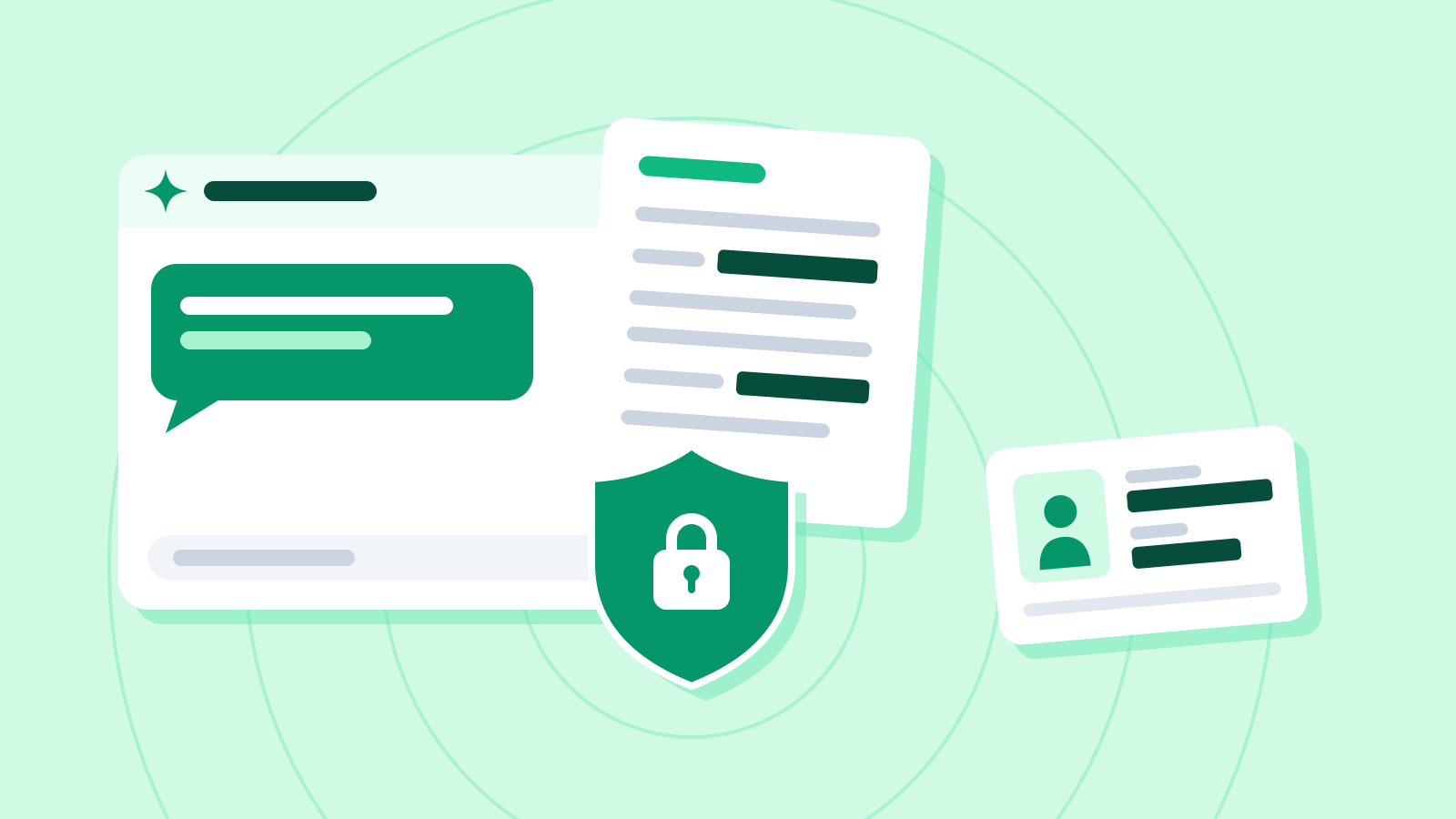
Data control concerns where AI runs and who operates it. Cohere’s existing private-deployment material says prompts, outputs and fine-tuned models remain within the customer’s environment. Customer-managed private clouds put networking, security and operations under the organization’s control. On-premises deployment can isolate the system from external networks. The actual arrangement depends on the deployment chosen and the customer’s contract. Cohere says it has no access to the data processed in these deployments. Contracted customers receive components for self-deployment and support with architecture and model optimization.
North, the enterprise platform receiving further development funding, already supports reusable agents and shared workflows. Its October 5 North 2 update combined shared knowledge, reusable skills and memory across conversations. Users can also produce documents or lightweight applications in chat.

Bell provides an example already in production. On September 23, it announced a cybersecurity model combining Cohere technology with Bell’s security data and expertise. Bell said processing and sensitive security information remain in a Canadian-hosted environment. The model analyzes and summarizes complex information for investigations, while analysts retain responsibility for consequential decisions about threats and responses. Bell said its operational knowledge shaped the model’s cybersecurity training. The intended role is to reduce information-gathering and interpretation work so analysts can focus on assessing impact and directing the response.
North 2 also provides organizational controls over access and spending. Administrators can set user and agent permissions, select which models are used and inspect activity and expenditure. Usage limits and alert thresholds support that governance.
Sources
- Canada announces landmark investment in Cohere — October 29, 2026 — Prime Minister of Canada
- Series E initial close and fundraising target — October 29, 2026 — Cohere / CNW
- Who Gets to Build the Frontier for AI — October 29, 2026 — Cohere
- Private deployments — checked October 29, 2026 — Cohere
- North 2: Enterprise AI without compromises — October 5, 2026 — Cohere
- Bell Cyber and Cohere deploy sovereign AI — September 23, 2026 — Bell Canada
- Cohere and Aleph Alpha join forces — April 24, 2026 — Cohere